 EN
EN

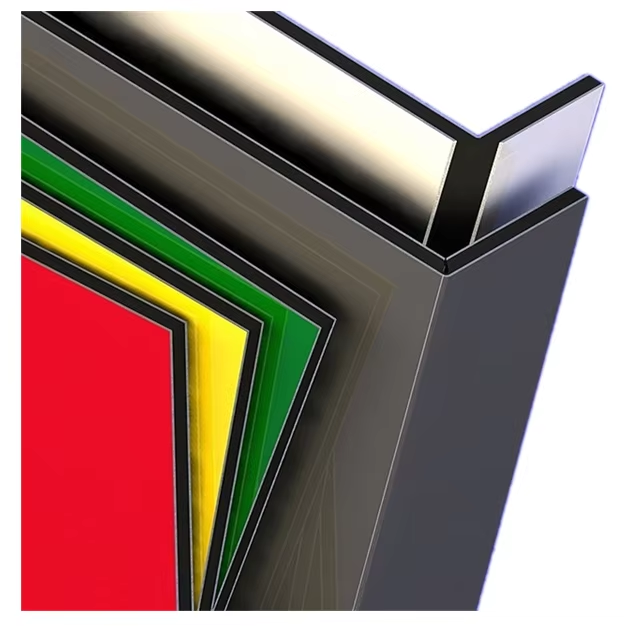
ACS materials have there own efficiency as they come cut from the factory. Panels are site specific and ready to install, saving up to 30% site waste as opposed to using raw materials (metals / stone slabs). This is especially significant with panels consisting of recycled aluminum, containing > 95% recycled content as per the International Aluminum Institute. Most of the ACS panels are about 1220 by 2440 millimeters, which means once they are installed, further cutting will not be necessary. Many contractors praise the reduced garbage from job sites, the diminished cost from waste disposal, and the easier compliance with lean construction. This improved situation is helping to mitigate what the World Economic Forum considered an 8.6 billion dollar issue in the construction waste problem in their 2023 report about the construction industry.
Reduced Material Handling Costs Due to Consistent Thickness and Flatness
ACS panels are always 3 to 6mm thick and easily remain flat. This is especially good news compared to timber panels, which warp, or stone panels which come in all sorts of shapes. Our panels are easy to handle because they are consistent in size and shape. This means they stack neatly, and when compared to timber or stone cladding, they take up 40% less space in transit. Our panels weigh 3.5 to 8 kg per m2. This means they are easy to handle, and don’t need to be moved with cranes or forklifts. Our panel’s consistent size and shape is a positive in terms of quality control. Installers have reported a time savings of 66% in fitting checks, because there is so much less variation. Starting in 2022, a major European logistics company began tracking on-site handling costs for over 120 ACS projects and reported a 25% decrease. They attributed these savings to a combination of better material organization, less need for specialized equipment, and overall more efficient material flow.
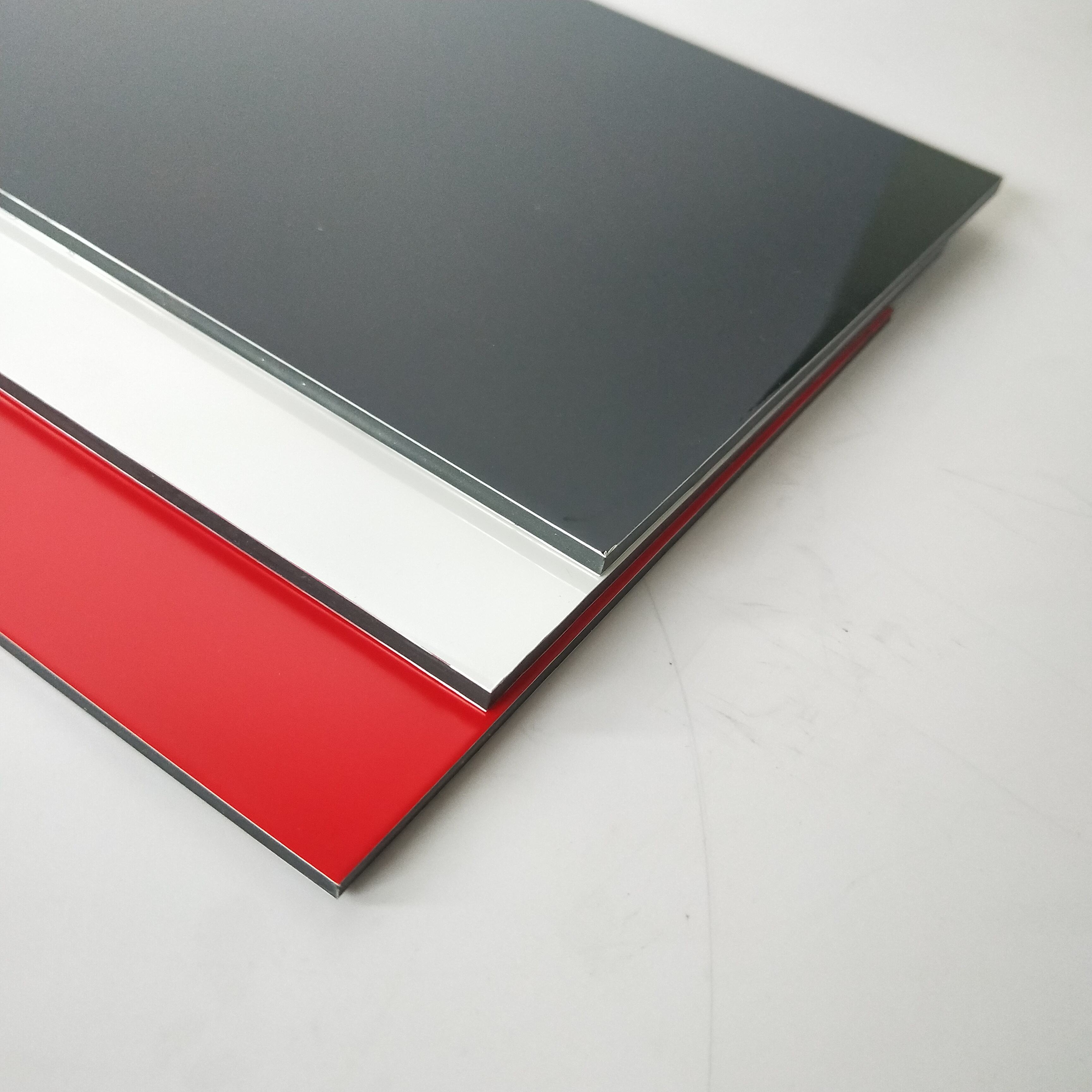
Lifecycle Cost Advantage of Aluminium Composite Sheet Over Traditional Cladding
Corrosion and UV Resistance in Extreme Conditions
Aluminium Composite Sheet (ACS) performs exceptionally against extreme environmental conditions due to sea spray, aggressive industrial environments, or frequent UV radiation. The non-reactive aluminum skins of ACS do not oxidize like other materials, and there are coatings that actually meet AAMA 2605 standards for color retention and gloss, and chalking resistance for twenty years or more. A painted steel surface, on the other hand, needs to be repainted 5 to 7 years later, and that could be between $18 to $42 per square meter. ACS does not have any messy layers, and instead remains dimensionally stable between extreme temperatures of -50 degrees to +80 degrees Celsius. Unlike other uncoated metals , vinyl, or untreated fibers, there are no thermal warping concerns.
With no mid-lifecycle repairs, buildings are able to maintain their original look and structural durability to a greater extent than their competing product counterparts.
No maintence is required when compared to stone, wood or painted metal systems:
Compared to other materials, ACS’s only maintenance requirement is a wash twice per year using a mild soap and water solution. No sealants, fungicides, sanding, or aggressive cleaning are needed. This is in stark contrast to natural stone materials which have to be sealed every 3 years at a cost of $8 to $15 per square meter. Wood surfaces necessitate chemical treatments and refinishing. Painted metals develop a chalking finish. The chalking finish is damaging to the metal surface and renders cleaning aggressive. The material fights moisture absorption and stains, and microbial growth ensuring that seasonal painting (which is required every 8 years) costing $25 to $60 per square meter is eliminated. This also means we won’t have to replace substrates that have structural damage due to water (which is a tragedy when it occurs) and early replacements due to delamination or cracking. ACS has been proven to have 30 to 45 percent lower life cycle costs relative to maintenance costs when compared to other cladding systems. These studies have been published in the 2022 Building Materials Sustainability report from BRE Global.
Aesthetic Flexibility Without Premium Cost Penalties
Using simple roll coating and lamination methods, aluminum composite sheets can achieve a huge variety of fresh and unique appearances, from polished metals to textured finishes, wood grains, brushed looks, and customizable designs. Compared to natural stone and certain alloys, composite sheets do not incur costly additional fees for exotic colors, patterns, or finishes (cost increases of 20 to 40 percent are common for such options). Aluminum composite sheets allow architects to achieve their creative visions without having to do custom work or deal with extended lead times for material delivery. The stability of material pricing is a huge benefit for job sites such as large commercial buildings, schools, hospitals, and mixed use developments, particularly in areas where designers want to make bold exterior statements.
FAQ
What is ACS?
Efficient, durable, and with a versatile aesthetic, Aluminium Composite Sheet (ACS) is a construction material used in cladding and building designs.
Why does the use of ACS show merit in terms of material handling and waste reduction?
Waste and off-cuts from manufacturing ACS panels is cut to size (meaning waste and off-cuts from manufacturing is approx. 30% more than traditional materials). The panels are light and easy to manage, and therefore help to reduce material handling costs.
In what ways does ACS help to save costs in the lifecycle of construction?
With ACS, the client saves money in the long-term, as the panels are robust and require less maintenance, saving from 30 to 45 percent compared to traditional cladding in 30 years. The panels are also resistant to corrosion, UV rays, and do not require repainting.
What are the installation efficiencies that ACS brings to a construction job?
With a modular and lightweight construction, ACS minimizes the use of cranes, scaffolding, and supporting structures. The dry assembly also increases installation speed and reduces the demand for highly skilled workers.
Does ACS allow for custom design aesthetics as well as cost-effective means?
Yes, at a stable price, ACS can mimic an array of designs (textures, colors, and other effects), providing the opportunity for custom designs without cost penalties compared to other materials.