 EN
EN

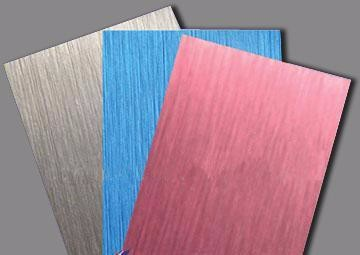
Manufacturers of aluminum composite panels (ACM) have made impressive improvements with the digital printing of wood, stone, and metal finishes (including wood grains) and the protective coatings that enhance them. For example, the ACM panels hold the aluminum color consistency from panel to panel and, in many cases, they do not fade in direct sunlight for 25 years. When numerous design elements are created in various matched batches, it is common for one to be different and that one to be different results in inconsistent tonal gaps in a design. For large exterior facade projects, the color consistency of ACM is the most important. Independent testing of color differences remain consistently below 0.5 Delta E units, even when subjected to severe-weather testing (according to ISO 11341). Thus, buildings remain true to their design for many years after their initial installation, which minimizes maintenance costs and enhances the visual longevity of the property.Designing Freedom for Minimalist, Parametric and Curved Facade Systems
Architects can use this cladding system to complete forms for which design and engineering teams may have previously found an unscalable obstacle, or to bridge a gap, with design creativity, among standard cladding options. With a 4 to 1 bend radius, layered metals bend with the same ease and flexibility as thick paper. Cradle to Cradle® Gold Certified metals weigh approximately 5 to 7 kg (11 to 15.5 lbs) per square meter, reducing the load bearing requirements by three quarters as compared to natural stone. This reduces the support requirements for beautiful cantilevered designs, as well as for smooth and complex (multi) planar transitions in the outer skins of buildings. Because of metals excellent bending and impact design, prototypes can be developed quickly, and custom facade elements can be designed in streamlined modular fabrication.
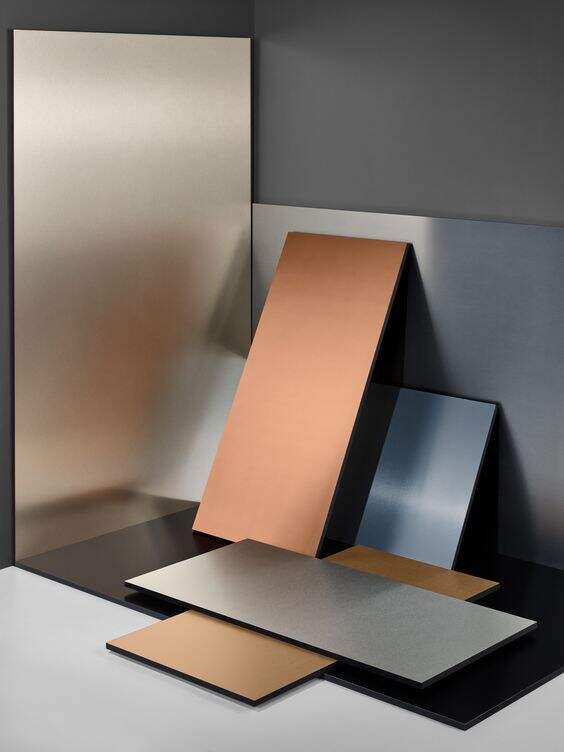
Structural Efficiency: Performance and Cladding Solutions with Lightweight and High Strength
Strength and weight ratio of large-format facades
The aluminum composite material has a remarkable strength ratio for its weight, allowing for the construction of large panels for ventilated curtain walls without overloading the building's frame. Compared to traditional solid metals, this material reduces the volume by about 50%, keeping the walls solid, and not adding weight to the structure. This also allows for faster installations, and frees the architects from previous designing constraints associated with heavy materials and structural limitations, resulting in the contemporary facades of many modern buildings. This material innovation has allowed many modern buildings to embrace more of the contemporary designs available.
Less weight and more seismic safety for high-rise construction
It has been discovered that building materials that are lighter than steel, light plastics, and composites can produce lower seismic loads, and therefore, can reduce seismic design requirements for high-rise building construction. Through testing that complies with EN 14509 and ASTM E330, it has been found that aluminum composite panels have been able to reduce the seismic forces that are generated in a building and transmitted to the building’s structural frame by 40% compared to more traditional stone materials. The less a building weighs, the less overall seismic energy that building will impose on its structural system. This is especially true for high-rise buildings. Engineers describe how the use of these lighter materials can help reduce the design and construction costs of the building’s foundation. In the vertical deformation of a building during an earthquake, a building will experience a seismic response that causes the building to sway. Engineers have calculated that the use of lighter building materials will reduce the sway by 30% during seismic tremors.
Practical Benefits: Quicker Installation, Reduced Lifecycle Costs, and Low Maintenance
Readiness for prefabrication and installation on site is up to 40% quicker than traditional cladding systems.
Aluminum composite material is intended for manufacturing panels that are built away from the construction site, allowing for a greater degree of precision than traditional, site-based materials, be it stone, concrete, etc. As such, it is reported that site workers are required to perform manual labor 40% less than previously. Also, with prefabricated panels, bad weather delays, erecting scaffolding for prolonged periods, and variations in installation time with different technicians to complete the mounting are no longer the case. As a result, construction teams finish high-rise buildings much quicker than before, sometimes in just a few weeks. Additionally, there are no expensive requirements for cranes or special structural support, since panels are only 5-8 kg per square meter.
Save time and money with an expected 25+ year service life with UV resistance and low upkeep.
With more than 25 years of service expected, this construction material is built to outlast its competitors in both strength and appearance. Emitted UV radiation is greatly reflected due to PVDF coatings, and with more than 95% of them absorbed, fading, chalking, and loss of gloss are no longer a concern. This material is also resistant to the challenges posed by the numerous weathering tests of ISO 11341. This alongside its unique surface, which does not adhere to moisture or absorb materials, presents outstanding mold resistance and prevents the accumulation of pollutants and graffiti. Not a lot of maintenance is needed, a simple rinse with water once a year is sufficient. Because of this, harsh cleaning chemicals, sealing treatments, and frequent repaints will not be costs that building owners will need to pay. In 2023, the Ponemon Institute claimed that the average savings over an entire life cycle of a building can average $740,000 when evaluating maintenance, replacement, and repair costs on a typical mid-rise building.
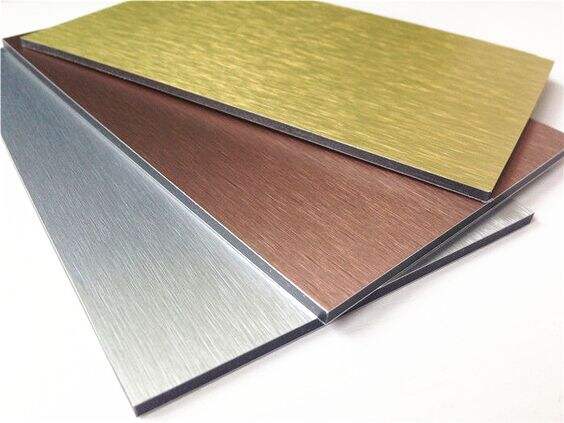
Sustainability and Safety: Fire-Resistant and Recyclable Aluminium Composite Material
For modern construction, meeting safety and environmental demands can be achieved with aluminum composite material. The core of aluminum composite panels is fire resistant and meets the strictest fire safety standards including EN 13501-1 (Class A2-s1, d0) and ASTM E84 Class A. This is very important in construction of high rise buildings especially in urban areas with buildings closely packed. Additionally, aluminum composite panels support sustainability as they can be recycled up to 95%, reducing landfill waste. Due to the recycled content and low emission manufacturing, use of aluminum composite panels in construction gains credits towards LEED certification. Moreover, less energy is required to transport aluminum composite panels compared to other metals, reducing total emissions by 30% as compared to traditional solid metals.
Frequently Asked Questions
How long do aluminum composite materials last?
Aluminum composite materials maintain long lasting service life, appearance and structural integrity for more than 25 years.
How does aluminum composite material construction speed up the construction?
Construction, using aluminum composite materials, can be up to 40% faster with the use of prefabricated components compared to conventional cladding.
Is aluminum composite material friendly to the environment?
Yes, it is 95% recyclable and is better than traditional metals in terms of emissions.
Why is aluminum composite material good for high-rise buildings?
It’s lightweight and reduces structural loads, as well as seismic forces which gives it better earthquake resilience.