 EN
EN

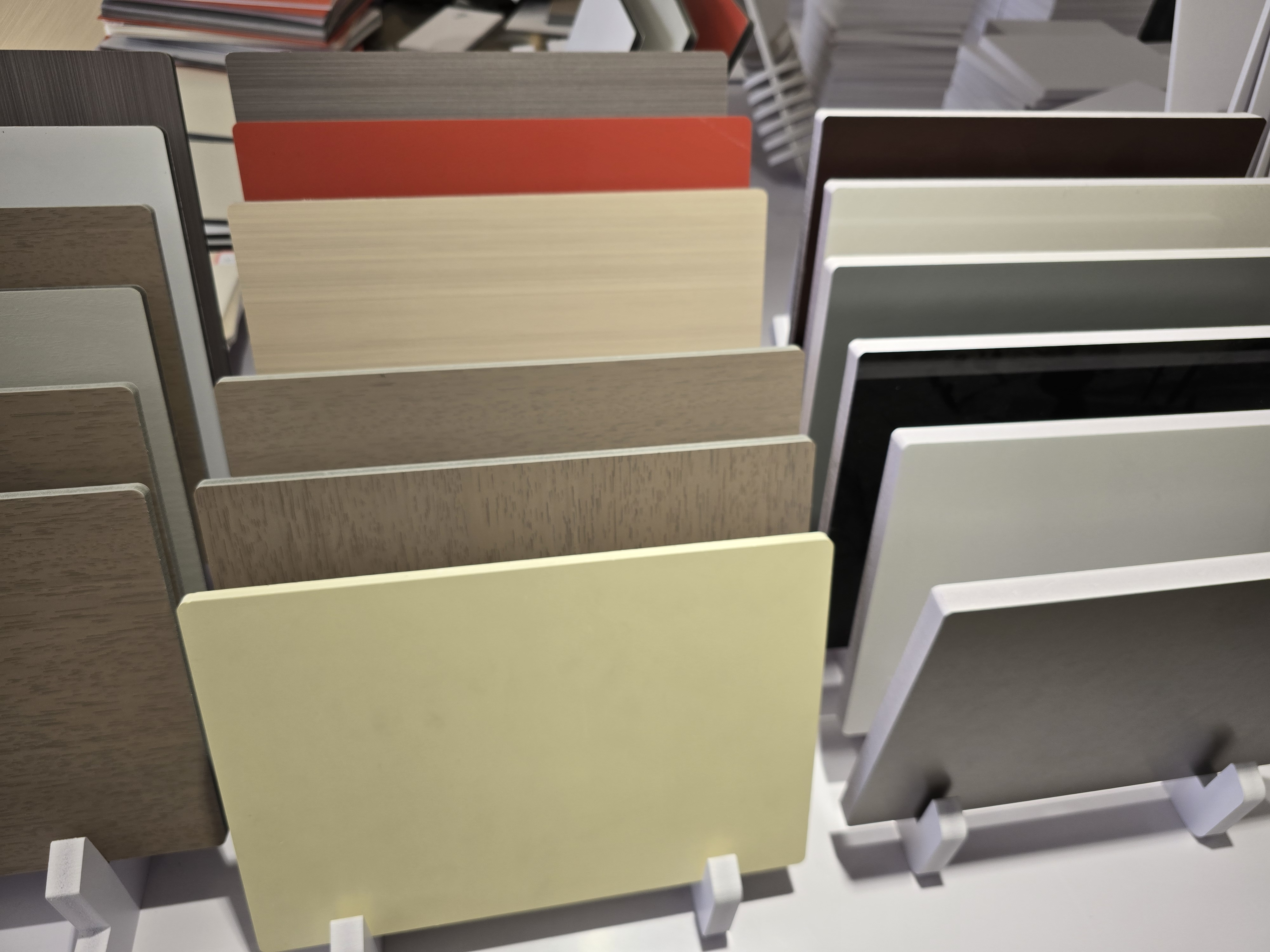
How Closed-Cell Structure Design Prevents Water Ingress and Swelling
The unique molecular structure of PVC foam sheets results in positive buoyancy foam sheets not soaking in water due to the structure of foam sheets and water reluctantly settles at the surface of the foam sheets to moisture. In a PVC closed-cell foam structure, water-closed tiny cells impede moisture movement, and the combination of these attributes prevents the swelling that occurs with wood materials and various other foams, and layer deconstruction due to moisture in the environment. Actual field tests at multiple coastal locations in Southeast Asia demonstrated that, after two years of exposure to monsoon season, the PVC sheets maintained their thickness and foam buoyancy.
Water Absorption (ASTM D570) <0.1% Verified - Important for Coastal & Tropical Applications
Foam PVC sheets are proven to absorb <0.1% moisture for any ASTM D570 testing. Compared to other materials PVC foam sheets are great for use in high humidity and wet environments. In low humidity environments even traditional construction materials such as medium density fiberboard (MDF) can suffer 15% volumetric expansion. In high humidity environments this volumetric expansion can hinder construction due to the loss in clearances and the visual appearance, as well as the reduction in structural strength due to the weakening of fasteners. The low moisture uptake of PVC foam sheets reduces the likelihood of construction issues such as bending boards, mold in wet wood, and rust in trapped water. In an artificial South East Asia climatic environment, PVC foam sheets remained dimensionally stable while standard plywood disintegrated after 6 wet/dry cycles.
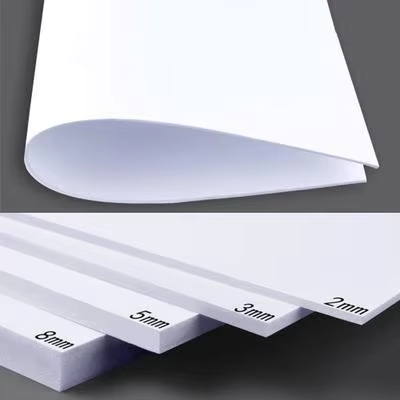
Dimensional Stability of PVC Foam Sheet Under Heat and High Humidity
Real-World Performance at 95% RH and 60°C: Field Data from Southern California and Southeast Asia
PVC foam sheets can withstand temperatures of up to 60° C and 95% RH. In southern California and tropical coasts, we have used marine-grade PVC foam sheets in many locations. We have some cross-sections from Southeast Asia that have been there for 8 years in a harsh marine environment, and those sheets retain 97% of their original size and shape. PVC foam enduring at least 15 years of moisture and heat in our accelerated aging test. Other substrates change size by over 3% in a matter of weeks. In a humidity resistance test, organic composites fall behind by 75% of their humidity resistance. Wood products warp, and peel, and PVC foam does not have those issues because it has a closed cell structure, meaning it has less than 0.5% moisture absorption and thermoplastic used to make the foam provides the adaptability to temperature changes.
Low Thermal Expansion vs. PP, ABS, and Wood-Based Panels — Minimizing Joint Stress and Warping
The PVC foam sheet has a linear thermal expansion coefficient of 50–80 × 10−6/°C. This is much lower, and is more predictable than, polypropylene (PP), and acrylonitrile butadiene styrene (ABS), and plywood in differing wood grain orientations.
This restrained expansion reduces joint stress in large-panel façades by 40–60% compared to PP, while also minimizing the formation of gaps and decreasing fastener fatigue in coastal structures. When tested at 60 °C, PVC foam maintained 95–85% of the flexural strength and wood composites experienced a 25–35% loss of strength at the same temperature.
Biological and Corrosive Durability: Mold, Mildew, and Salt Resistance
Certificates of ASTM G21-22 Fungal Resistance and Verified Marine-Grade Performance
The non-porous, synthetic composition of PVC foam sheets structurally resists biological degradation by fungi and mildew. This is evidenced by ASTM G21-22 certification, which documented no fungal growth 28 days after exposure to aggressive fungal spore cultures.
The material is also resistant to corrosion. It doesn't deteriorate when subjected to salt it is therefore ideal for boats, oil rigs, and coastal locations. PVC has sit over rotten wood and metal, which are susceptible to corrosion from microorganisms contained in water. Unlike them, PVC does not deteriorate from acid rain, seawater, and airborne salts. The material does not require special coatings and regular maintenance. Real world applications have proven that these materials considering the ruggedness of PVC are able to last for over 20 years.
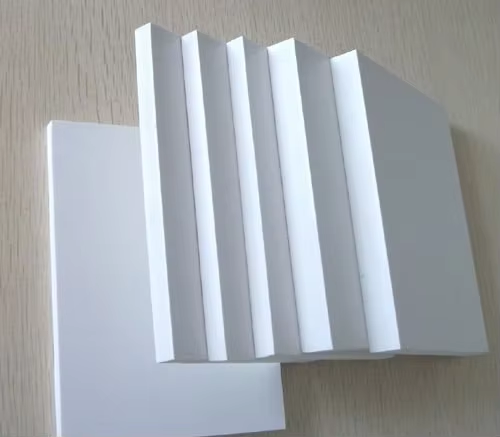
Long-term Testing of the Reliability of PVC Foam Sheet in Climate Testing
Climatic aging testing of materials in the lab, such as QUV (ASTM G154) and Xenon Arc testing (ASTM D2565) provide an understanding of what happens to the materials under the influence of sun, moisture, and heat over time. For example, testing PVC foam for 5000 hours (around 12 years in an area of high UV radiation) resulted in the loss of about 10% of the of the foam’s tensile strength and no significant color change (ΔYI < 2.0). This performance far surpasses the competition and such as EPDM and TPO membranes that begin to crack and lose color in less than 15 years. What gives PVC foam such an advantage over the competition? The answer lies in the base foam formulation, which incorporates advanced UV stabilizers and a consistent polymer matrix that prevents the migration of plasticizers which is a common source of membrane failures. In addition, field data has shown that foam sheets perform their designed function for over 20 years in extreme conditions of humid heat, where other materials traditionally used would lose their function. This also means that less replacements would be needed compared to wooden materials, which would save about 40% in maintenance costs over the product’s service life.
Most Common Questions
Why are PVC foam sheets moisture resistant?
PVC foam sheets feature a closed-cell structure which fully moisture resistant, meaning no water will pass through the sheet, and therefore, swelling and layered separation will not occur.
How do PVC foam sheets handle highly humid environments?
PVC foam sheets handle high humidity and high heat environments very well, and will show very little change in very high humid environments.
Are PVC foam sheets biologically degradable?
No, PVC foam sheets are not biologically degradable. Their structure is made of synthetic materials, and therefore they do not support the growth of mold and mildew.
What is the coefficient of thermal expansion for PVC foam sheets?
The coefficient for PVC foam sheets is lower than for PP and ABS, which means that there will be less joint and minimal warping.
How long do PVC foam sheets withstand climatic stress?
In accelerated aging tests, PVC foam sheets retained approximately 90% of their tensile strength after 20 years of climatic stress. This is better than any other tested material.