 EN
EN

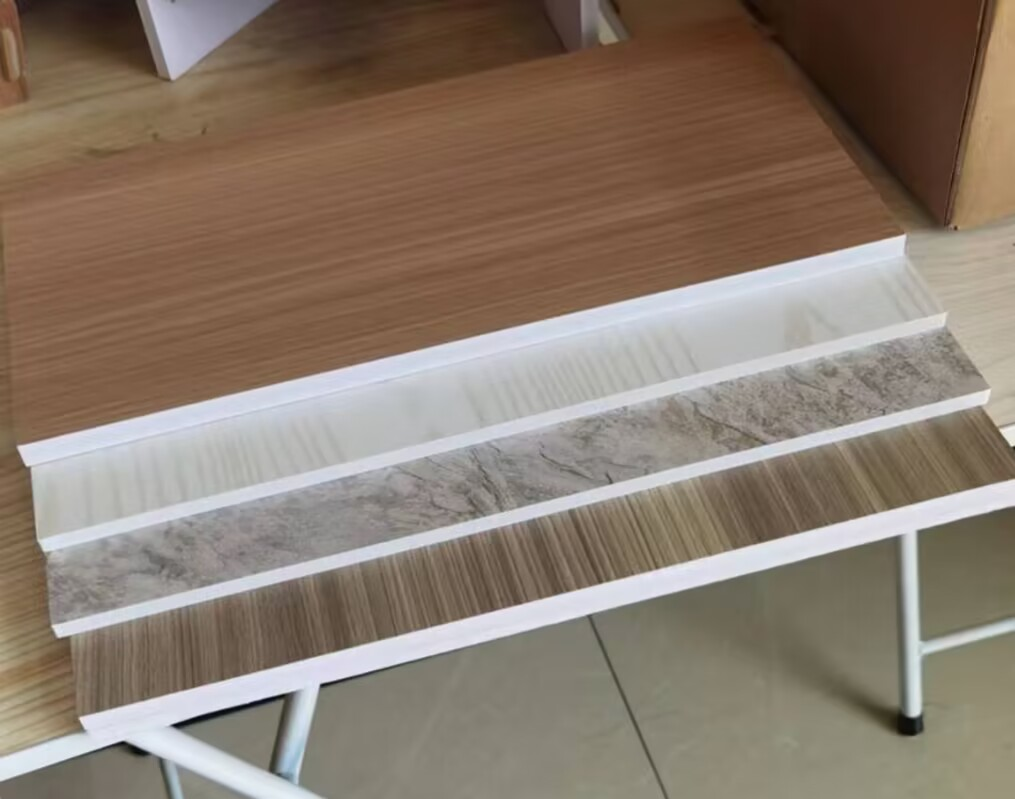
Why Is PVC Sheet Thickness So Important As A First Specification?
From an engineering perspective, selecting the correct PVC sheet thickness for a project is critical to determining how well the material will perform, how long it will last and how much it will cost. Thickness is essentially the determining factor as to whether something will fall apart. Sheets less than 8mm are great for lighter things like store signs, but they don't offer nearly enough stiffness for anything with a significant load. Conversely, sheets greater than 15mm are suitable for exterior walls and heavy duty worktops. Choosing the wrong thickness will lead to undesirable consequences down the line. If the PVC sheets are too thin, they will sag plastically when heated or break when impacted and will need to be replaced: this could end up costing you more than 40% compared to the first scheduled replacement. Choosing a thickness too great is also undesirable as it increases the volume of material used, increases difficulty of cutting and forming it, and generally the results obtained do not justify the extra effort expended.
Material thickness affects how well they resist bending under weight, hold screws, and block sound. With sheets for example, a 10mm thick sheet can hold 30% more weight than an 8mm sheet before showing signs of bending. Because of this, thicker sheets are better for building room partitions. When selecting sheets, designers decide on a thickness. This implies a functional ceiling on the sheets. This lets designers focus on color, texture, and fire safety layouts without worrying about redesigning partitions. It extends the building's structural integrity and saves costly alterations. It also preserves the integrity for many years without requiring costly restoration.
Thickness Range Load Capacity Best-Suited Applications Risk of Under-Specification
less than 8mm Low Indoor signage, décor Water damage, warping
10-12mm Medium Partitions, furniture delamination, edge
15mm+ High Cladding, structural None (over-engineering)
LUCKYBOND PVC Sheet Thickness Tiers and Their Performance Profiles
8mm PVC Sheet: Lightweight Versatility for Indoor Signage and Decorative Panels
8mm Thick PVC SHEETING won’t be the heaviest PVC SHEETING on the job, but it won’t be the lightest either, coming in at an approximate weight of 1.1 to 1.3 kilograms per square meter of PVC SHEETING. This makes the 8mm thick PVC SHEETING a good option where an area it is to be installed in is weight sensitive. The 8mm PVC SHEETING still has excellent performance for an indoor project and its thickness means that it versatile and flexible enough to be used on sign and wall panels, display stands for trade shows, etc. 80% humidity does not cause the PVC SHEETING to crate of malform. Because of its excellent stability, 8mm PVC SHEETING can be used in more highly controlled environments.
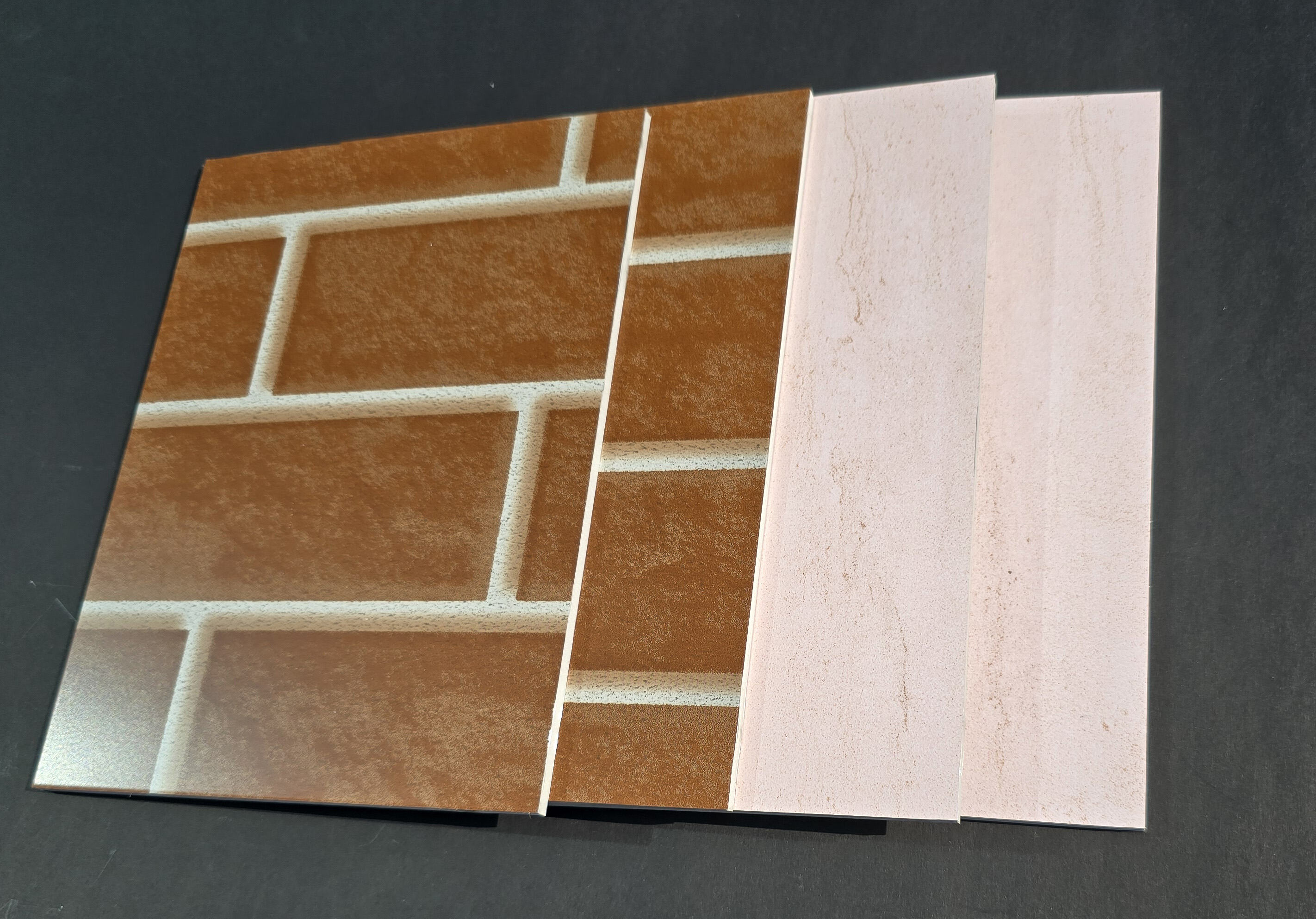
10-12mm PVC Sheet: Best Choice for Commercial Furniture and Medium-Span Partitions
This range provides significantly improved structural strength necessary for tough commercial environments where materials are under constant abuse. These sheets stand tough to daily knocks and bumps on restaurant tables, front desk counters, and office partition walls with approximately 40% more impact resistance when compared to standard 8mm sheets. Edges remain very stable during CNC routing and edging, and the material is dense (12 to 15 kg/sq m.), making it excellent for sound control. Most leading manufacturers warrant this thickness for spans of up to 1.2 meters without additional support frames. This significantly reduces installation time and costs in many interior projects.
15mm+ PVC Sheets: Structural Integrity for Facades, Cladding, and Heavy Load Situations
For structural and outdoor uses, PVC sheets more than 15mm in thickness are extremely reliable in harsh conditions. These panels are able to withstand wind pressure greater than 1500 Pa and operate in situations where temperatures fall to -30°C and rise to 70°C. This range provides them with the ability to deal with extreme TLC in all but the most extreme building envelopes. They also have a compressive strength of around 18 MPa, making them capable of not only supporting cladding, but also the chemically resistant surfaces found in extreme industrial applications. After over 15 years of constant exposure to harsh coastal conditions, 20mm thick PVC facades continue to operate effectively, demonstrating their reliable structural performance.
Real-World Applications of PVC Sheet Thickness
Focus of Retail Signage & Displays: Easy Mounting, Effective, and Light
Retail environment settings require PVC sheets of different thicknesses to increase display clarity, help install speed, and reduce mounting hardware costs. PVC sheets around 5 to 8 mm thick are best suited for hanging pop display signage and retail level signage, as they are light weight and stores reduce display hardware and mounting costs by 30%. PVC sheets of this thickness also retain their sharp edges for quality vinyl graphics and are rigid enough to keep signage readable in busy traffic areas. However, for illuminated channel letters, 10 mm sheets are recommended to provide adequate light distribution across the face and to control the weight and heat in the channel.
Interior Fit-Outs & Furniture: Edge Stability, Impact Resistance, & Aesthetics in Thinner Profiles
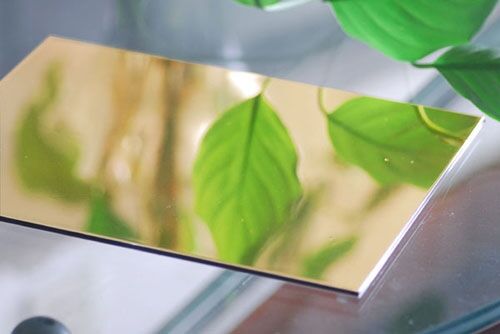
For applications in furniture and architectural millwork, opting for 12 to 15mm thick PVC sheets is a game changer when it comes to abrasion resistance. Thicker sheets exhibit enhanced edge stability during machining which translates into reduced chipping. The end result is better looking joints across the board from cabinet construction to reception counters and those stand-alone office room dividers. Testing shows 15mm sheets absorb approximately 40 percent more impact energy than 8mm sheets. Impact resistance is critical for surfaces exposed to frequent incidental contact like table tops and divider panels in high traffic areas. Thicker sheets don’t impede modern sleek designs and high manufacturing tolerances so no compromises on aesthetics are required in the quest for commercial grade structural performance.
Frequently Asked Questions
What do I need to consider when picking a thickness for a PVC sheet?
Consider the intended application, load-bearing requirements, and exposure conditions. Sheets of lesser thickness are more suited for indoor and signage uses, while those of thicker PVC are required for structural and outdoor uses.
What does picking the right thickness for a PVC sheet mean?
Not only does picking the right thickness mean you’re getting the performance and service life expected from the material, it also means you’re minimizing replacements and project costs associated with over- or under-specifying materials.
Sheets that are thicker tend to lead to higher costs in installations and maintenance. This is due to added weight and the increased complexity when dealing with thicker sheets. This increased complexity can lead to higher liability for the contractors. When dealing with thinner sheets, it is much easier for contractors to handle sheets, leading to cost savings across the board.