 EN
EN

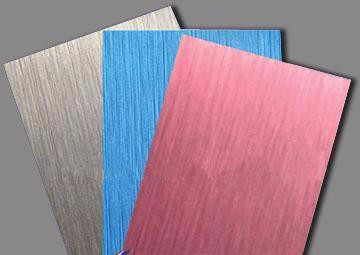
Resistance of Alucobond to UV and Its Outdoor Color Stability
How PVDF Coatings Maintain Color with Extreme Solar Exposure
Alucobond's greatest color retention with regards to time and outdoor exposure is attributed to the PVDF (Polyvinylidene Fluoride) resin of the special coating. So what makes this the coating of choice? A very stable and protective layer similar to a coating system grounded in inorganics. Unlike the organic coatings which tend to absorb UV radiation and eventually cause the coating to lose its color, become chalky and dull, this coating reflects UV radiation and maintains a clear and brilliant surface. The carbon and fluorine bonds in PVDF are strong and resistant to the breaking effects of UV radiation. The way the fluorinated PVDF coating molecules are bonded together creates a surface which is non-wetting; therefore, the moisture that resides upon the surface is not present to contribute to the deterioration of the coating system. Field experience has proven the effectiveness of PVDF coatings. After being subjected to natural outdoor environmental conditions for twenty years, PVDF coatings are able to maintain approximately 90% of the original color. It is this proven history of performance that makes architects and builders prefer these coatings for facades of buildings as a ‘Gold Standard’.
QUV weathering tests provide some information about the UV resilience of construction materials, but the best insight comes from the results of the extreme performance of construction materials in the real world. For example, the construction of buildings in Florida's coastal environment has proven to be very challenging because of the lasting assault of air, moisture, and the sun. Having monitored construction there for over 15 years, the level of endured weathering to construction materials that is poor in UV color appearance (measured as Delta E values) is remarkable. The same can be said for the extreme desert heat of Dubai that is over 45 degrees Celsius. The appearance of construction materials used in buildings in that location of the world has endured extreme weathering from solar radiation and has not surfaced in any construction materials of the buildings as the weathering readout level is stated to be within the range of acceptable. A UV test by the Florida Coatings Institute, for example, stated that the level of weathering to the PVDF coating polyvinylidene fluorides construction materials was unacceptable by stating that the level of measurement of sustained weathering was only 1.3 NBS (numerical adjustable) units of weathering. This level of weathering by accepted standards globally is far better than any other construction materials of polymer-based technology, European or other, that are offered to the marketplace. All the construction materials that are PVDF-based materials technology, used in construction of buildings, sustained construction materials works in the extreme negative environment better than the standard expected to provide and, contrary to the common belief, remained resilient and sustained construction materials technology that was poor for construction materials technology.
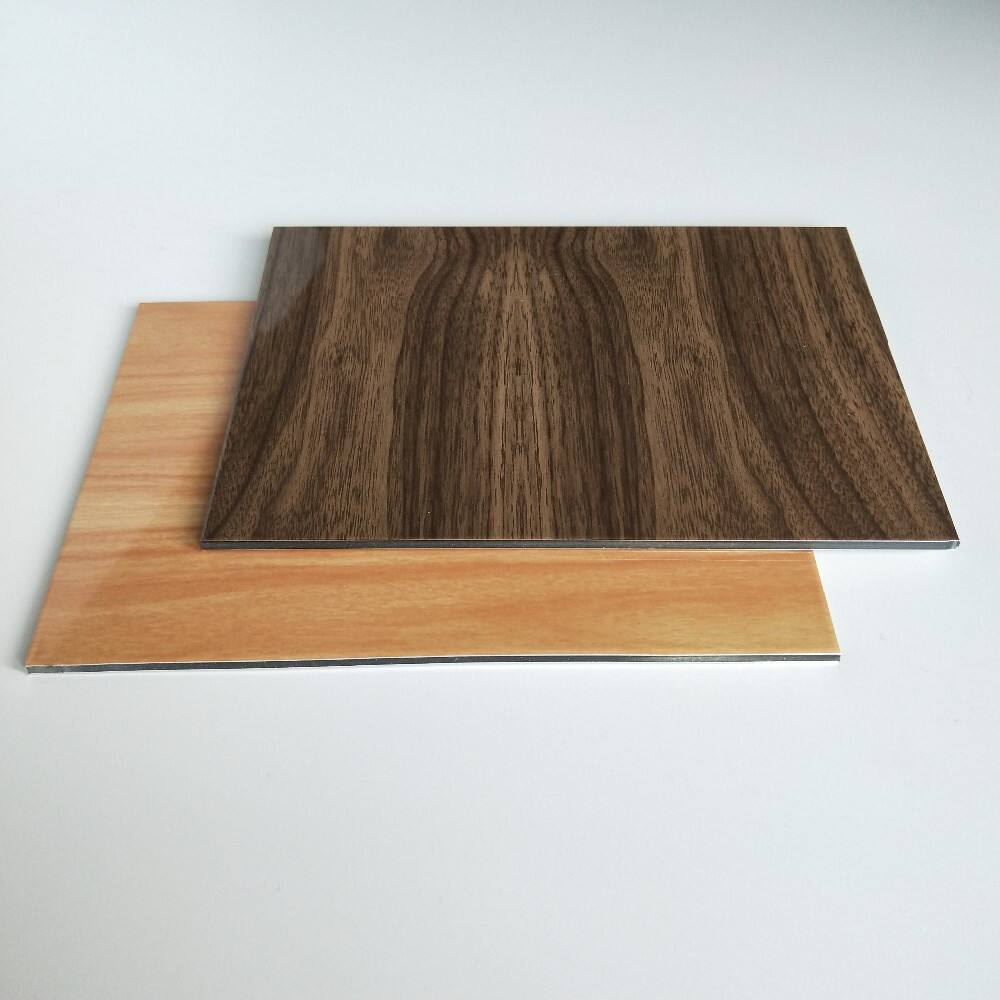
Resilience of Alucobond Cladding to Thermal Moisture and Structural Effects
Durability over Thermal Cycling Between -40°C to +80°C with No Delamination
Thermal cycling concerns are reduced with Alucobond cladding systems due to their unique construction. Alucobond Cladding's outer aluminum sheets and polymer core are engineered to expand and contract at similar rates, thus minimizing internal stresses. Alucobond's products have been tested with a temperature cycling of >1000 cycles from -40°C to +80°C and showed no delamination. Most buildings do not require such extreme temperature differentials. Alucobond products are unique due to a combination of advanced polymer technologies and a unique design that allows for differential movement within the bonded structure. The construction of the panels with the rear ventilated airspace facilitates passive thermal control. The air movement from the spaces allows for heat dissipation and thermal equalization across the panel surfaces.
Rainscreen Integration and Control of Condensation in Back-Ventilated Facades
Alucobond is in my opinion one of the suitable materials for the construction of a good rainscreen system. The moisture management construction principle consists of an open space for air circulation between the panels and a vapor-permeable and liquid water-proof membrane that assists in the drainage of moisture and the drying of the wall assembly from the interior side. The construction practice of this principle requires a sloped pan for drainage at the bottom; a minimum 10 mm spacing between panels for ventilation; and a drainage plane continuous at the horizontal joint so that water does not migrate upwards through a small opening. Practical experience from buildings constructed on the coastline indicates that such systems retain 90% moisture, in comparison to the unventilated regular claddings. Maintaining the humidity level in wall assembly below 60% is critical to avoid metal corrosion, mould growth and damage due to repeated freeze-thaw cycles. This remains a critical significance to the durable performance of cladding and the underlying support structure.
Longevity in the Real World: Verified Alucobond Lifespan and Best Practices for Installation
Service Life 20+ Years Backed by Global Case Studies and Maintenance Records
PVDF Alucobond panels withstand the test of time even in extreme climates. From Southeast Asia’s humid coast to the desolate and blazing hot deserts of the Middle East, we have the data for over 20 years of global case studies and maintenance records. Most traditional cladding materials completely fail in 10 to 15 years. Alucobond ensures buildings have their original structural strength and aesthetic appeal, provided the only maintenance performed is a routine, light washing. Our laboratory studies, which comply with ASTM G154, show that panels lose only about 5% of their original color even after 25 years in a moderate climate. PVDF’s initial protective qualities are good, but with time, she improves. Provided good installation practices are performed to comply with manufacturer instructions, the protective qualities of PVDF improve.
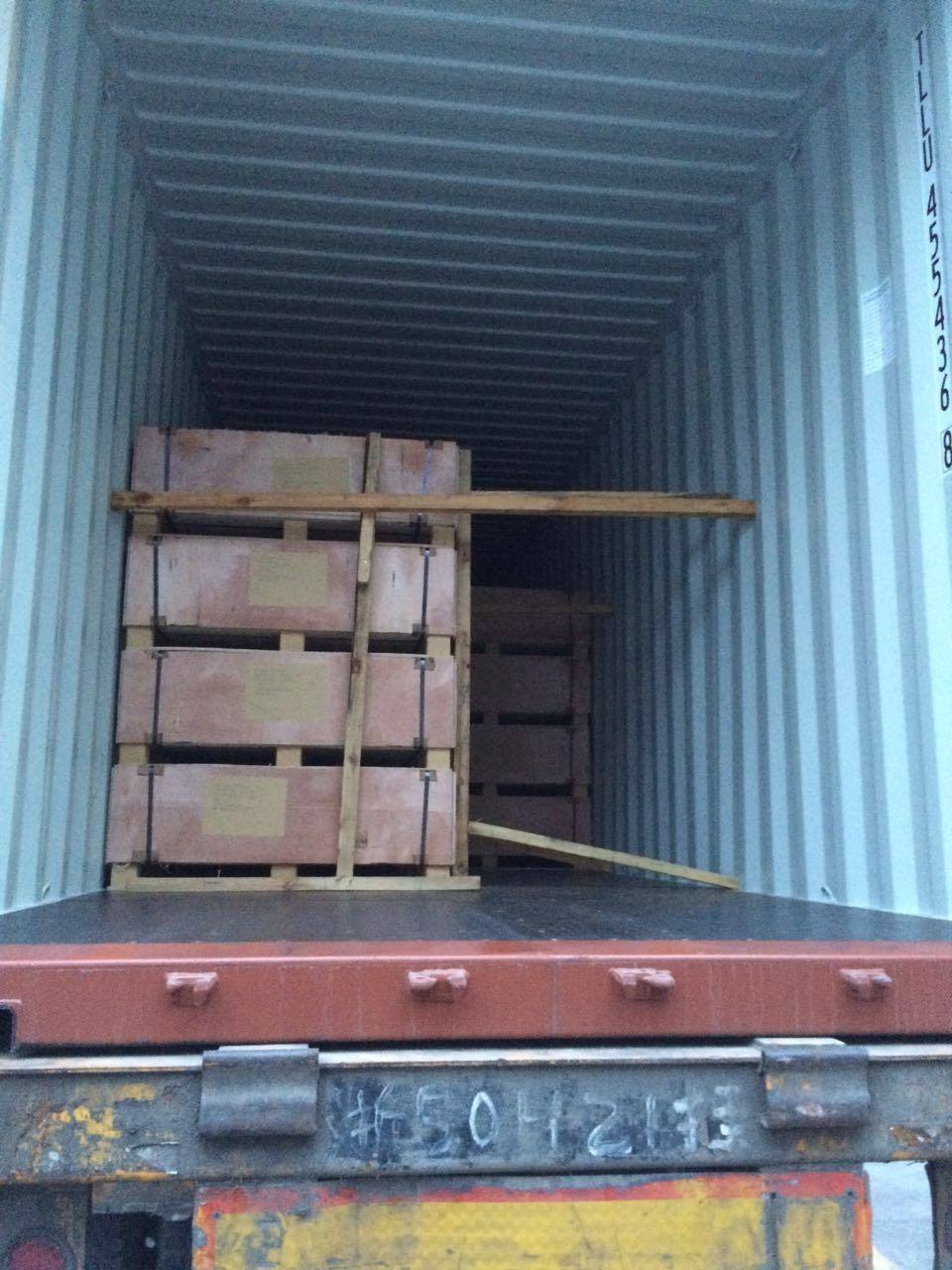
Maximizing Alucobond Durability Outdoors: Key Installation Factors
Three fundamentals of good installation dictate durability.
- Joint detailing must incorporate precision, allowing for a sealed, waterproof finish that removes moisture from behind the panels, especially around the perimeter and penetrations.
- Employ a 5 mm thermal expansion gap to ensure that materials do not become stressed or slip out from the fastening system.
- Subframe alignment that incorporates a +/- 1.5 mm tolerance to the leveling system to remove the possibility of localized stress concentration that will fatigue or cause the fastening system to pull out.
The absence of drainage channels has several negative effects. We have lost operational capacity to design and install drainage. The studies have shown that most buildings in humid regions without drainage channels have corrosion issues that are almost 50% more severe than those with drainage channels. The opposite has been true for systems with active drainage and the correct installation of materials, Alucobond. When installed with Alucobond, commercial building owners have routinely achieved over 30 years of rain screen system service before significant system replacement was required. The materials used provide the desired thin dimension, which in combination with their structural integrity, helps the system to maintain its form and function under the most extreme stresses. Also, the materials used provide fit and function to standard structural system(s) design, which eliminates the need for additional support(s) required with traditional solid aluminum systems, making for a more reliable system across the board.
FAQs
What provides the best color stability for PVDF Coatings?
The unique carbon-fluorine bond chemistry and UV reflective ability of the polymer promote high resistance to color changes, and fading and chalking are minimized. Overall, the impact becomes a significant improvement and the need for maintenance becomes very small.
What about extreme environments. How do Alucobond panels perform?
When we consider Alucobond panels and the extreme requirements of the design in Florida's coast and Dubai's dry system, the panels maintain their integrity without the high operational costs associated with the systems.
What are the best practices for installing Alucobond?
Alucobond ensures durability and longevity in outdoor applications by preventing moisture ingress and accommodating material movement with proper sealing, thermal gaps, and aligning subframes.