 EN
EN

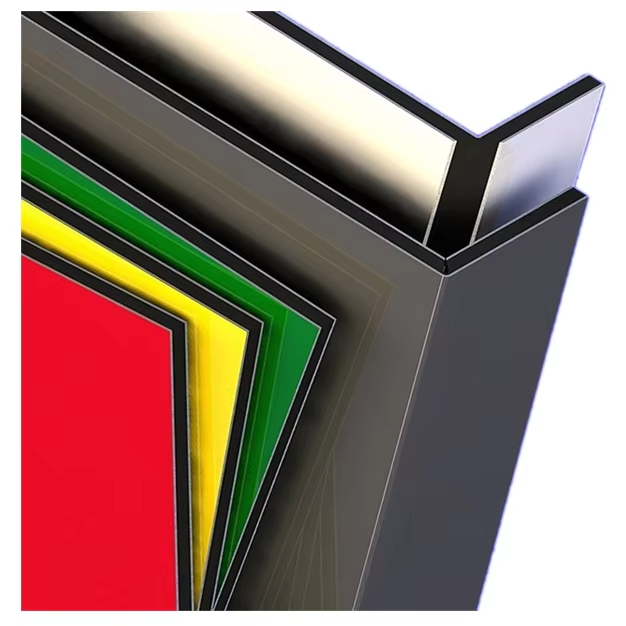
3mm Aluminum Composite Exceptional Weight-to-Performance Ratio
Core density combined with a thin profile can see up to a 40% weight saving versus 6mm ACM
The latest 3mm aluminum composite panels are 40% lighter than 6mm ACM because of an advanced design incorporating the optimized density of the core material versus the required thickness of the outer layers. These panels have low-density cores, either standard polyethylene (0.95 to 1.05 g/cc) or a fire-retardant version that is either standard polyethylene or a fire-retardant version, and are wrapped with thin (0.2 to 0.25 mm) high-strength aluminum sheets. It is the performance that really stands out, 6mm ACM panels weigh on average 3.1 to 3.3 kg/m2, whereas the lighter 3mm panels weigh only 1.8 to 2 kg/m2. That weight saving reduces the design requirements for support and the logistics for on-site activities, it makes a significant difference for suspended signage and modular building exteriors, and for renovation activities if the weight of tools and equipment to be used is restricted.
Resisting Collapse: Bending and Deflection at 3mm
At 3mm thickness, this aluminium composite panel guarantees proven architectural applications due to advanced thermal break and high strength aluminium alloys up to around 570 MPa. The unique design of spreading the shear forces in the core and the skins prevent to collapse when laterally loaded and provide the performance to withstand deflection the panel of bending. The panels are tested to withstand deflection without warping at 150 PSI bending pressure. The panels outperforms in deflection, bending and shear resistance, as well as collaps, compared to core materials other than the standard core materials of fire-retardant. The special core enhances the panels strength to deflection, bending resistance by 15 to 20 percent. This combination of construction is ideal for high rise and high wind building application, or to large span required composite. The light weight composite construction is always the major benefits.
High-Impact Applications Enabled by 3mm Aluminum Composite
Lightweight Signage & Wayfinding: Easy Handling, Low Structural Load, Fast Installation
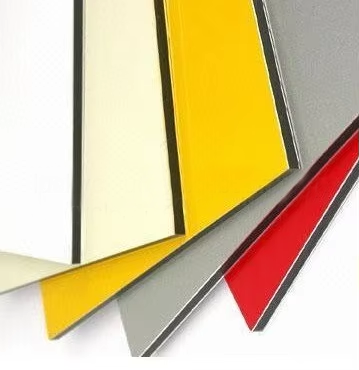
3mm ACM materials mean a huge 40% weight removal, changing the game for sign installations across whole buildings. Instead of needing scaffolding or hoisting equipment for most ceiling and wall installations, sign installation teams can now manage the panels themselves. This is especially a game changer for older buildings that would require new structural supports, or tenant fit out situations with weight restrictions. The data supports it. Architectural firms report their clients’ wayfinding systems being installed twice as fast with the use of 3mm ACM materials. Logistics partners are also pleased with a 30% reduction in shipping costs when distributing signage across multiple locations. This is due to the fact that, as panels are lighter, more can fit in a truck and less packaging is required.Retail Interiors and Modular Displays: Design Flexibility Without Overhead Reinforcement
Retail spaces that require regular updates can use 3mm ACM panels that can be installed and removed easily for new displays, room partitions, and branded areas without the need for metal framing and supporting structures. The material’s stiffness also allows for elegant bending, overhanging shelves, and free-standing exhibits. The slim 3mm thickness helps save precious floorspace and is visually less heavy than bulkier alternatives. The modular panels also integrate easily with any installed lighting, touchscreens, and sensor technologies, reducing installation time by approximately 25% when compared with legacy materials. In temporary shop and trade show display setups, we recommend panels with flame-retardant cores to comply with fire regulations and short-term use safety standards.
Material Efficiency: 3mm thickness reduces raw material use by 35% over thicker composites
Adaptability: Integrates seamlessly with lighting, digital displays, and interactive components
Cost Control: Removes secondary support structures in 80% of display applications
Industry Insight: Retailers using lightweight composites reduce annual refit costs by 18% (Visual Merchandising Trends Report).
The Impact of Core Material Choice on Size, Weight, Safety, and Compliance
Comparing PE and FR Cores: Weight, Fire Ratings, and Suitability to Projects
The impact of the type of core used is most significant on the performance of the panels. PE cores result in panels which are 3 mm thinner and 15 to 20 percent lighter than their flame resistant counterparts. The light weight variants are ideal for outdoor signage, portable displays, and other outdoor applications where the risk of fire is low. However, they will likely not meet fire protection requirements for indoor installation. The flame resistant (FR) cores address these concerns as they contain mineral additives which lead to an increase of less than 5 percent in weight. However, they can meet critical fire safety requirements such as Class B per EN 13501-1 or even Class A per ASTM E84. For this reason, the PE cores are not useful in transit, educational, health care, and other high traffic commercial facilities. Surprisingly, FR cores are as easily cut and shaped as the regular PE variants. The panels produced are uniform and flat. Hence, no compromise is made when switching between cores.
Cost and Fabrication Benefits of Standard 3mm ACM
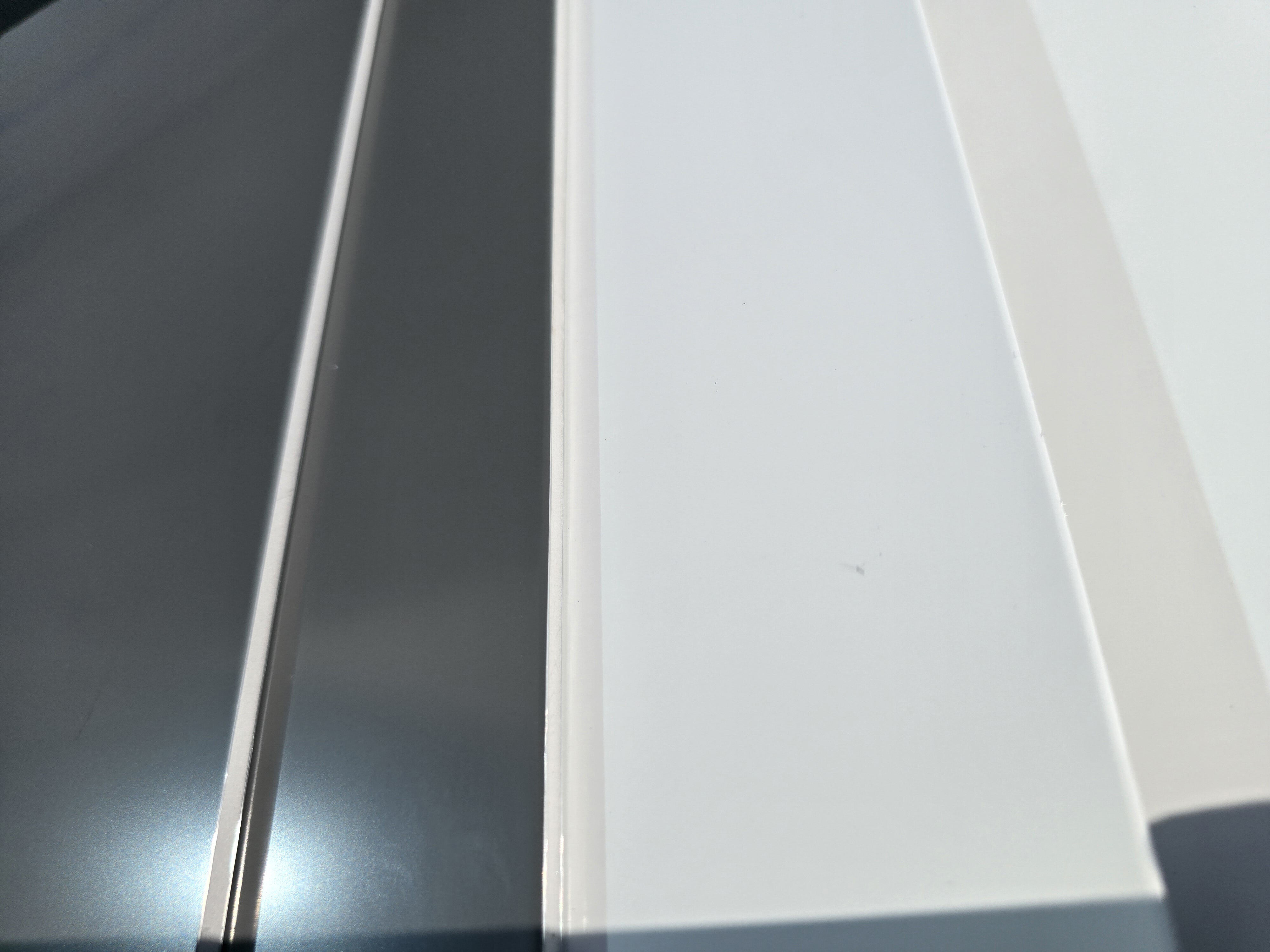
The standardized 3mm aluminum composite material provides measurable benefits throughout the project timeline. The material is lightweight and therefore easier to cut, route, and bend. When compared to aluminum, contractors save, on average, 40% on machining time when using 3mm ACM. This is according to 2024 benchmarks from a machining time study. The same sized sheets means there is simply less waste from off-cuts during the fabrication process. Additionally, the mounting system is single span, meaning, in most cases, no secondary framing is required. Based on a field study from a 2023 ACM production study, 3mm ACM, the standard consumers of ACM, benefited from a 35% decrease in transport costs. On-site, waste levels were 15% to 20% lower than the waste levels typical with standard ACM. For any construction project, time savings and waste savings really add up to significant streamlining of construction processes. These savings increase with the number of standards applied.
Cost Factor 3mm Aluminum Composite Traditional Materials
Installation Labor Time 30-40% faster Baseline
Transportation Efficiency 35% lighter payload Higher fuel costs
Structural Support Needs Minimal reinforcement Significant framework
Lifecycle Maintenance Cost ~60% lower (2024 study) Higher upkeep
This combination of fast fabrication, good logistics, and excellent long-term performance makes 3mm aluminum composite highly EEAT, backed by real-world performance data, industry standards, and experience with scalable application.
FAQ
What are the primary benefits of using 3mm aluminum composite panels?
3mm aluminum composite panels significantly reduce weight, provide better handling, and offer greater design flexibility, resulting in faster installation and lower shipping costs.
How do 3mm panels maintain strength despite their thickness?
The panels achieve strength through the use of advanced thermal bonds and aluminum alloys, which serve to harness and redistribute shear and bending pressures.
What is the difference between PE and FR cores in these panels?
PE cores are lighter and better for outdoor use, while FR cores provide fire protection for indoor applications and comply with fire protection standards.
Are these panels cost effective in the long run?
Yes, due to faster installation and lower costs in transportation and structural support, the need for these panels is minimized.