 EN
EN

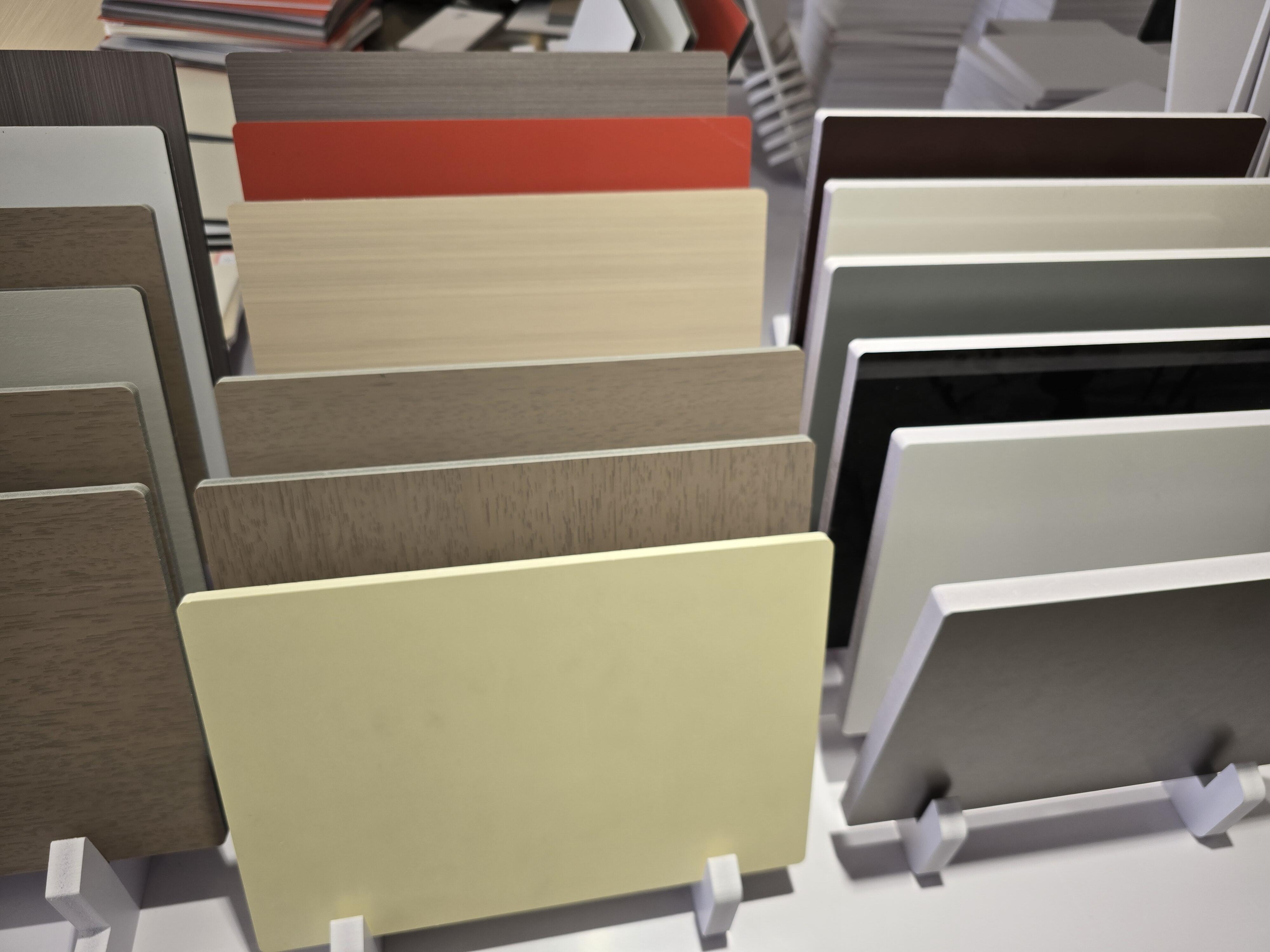
Aesthetic Versatility: Design Freedom with Aluminium Composite Panel
Modern architecture demands materials that marry visual impact with practical performance. Aluminium composite panel (ACP) delivers exactly that—a blank canvas for nearly limitless design expression. With a vast palette of colors, finishes, and textures, architects can craft facades that stand out while meeting strict structural and regulatory requirements.
Expanded Color, Finish, and Texture Options for Distinctive Facades
ACP offers unmatched color diversity, with manufacturers providing up to 40 standard hues and an endless range of custom shades. Finishes span high-gloss and matte to metallic and textured—including realistic simulations of natural stone, wood, copper, or zinc. This versatility allows building envelopes to harmonize with any architectural language: from minimalist corporate towers to warm, biophilic community centers. Thanks to continuous coil-coating production, panels achieve exceptional surface flatness—eliminating ripples and ensuring seamless, uniform facades. Pre-finished panels arrive site-ready, guaranteeing consistent appearance across the entire project and accelerating installation. Whether expressing bold brand identity or blending thoughtfully into context, ACP enables distinctive, durable exteriors without compromise.
Curved Forms, Perforations, and Dynamic Patterns Enabled by ACP Flexibility
Beyond aesthetics, ACP’s inherent workability unlocks dimensional freedom. Panels can be cold-bent, folded, or cut into complex geometries—curves, domes, waves, and sharp angular forms—without cracking or delamination. Perforations and custom die-cut patterns introduce depth, light modulation, and rhythmic visual interest, supporting advanced rainscreen functionality and passive ventilation. Lightweight yet structurally resilient, ACP imposes minimal additional load on the building frame—reducing foundation and support costs, especially in seismic or wind-prone regions. From fluid undulating ribbons to precise geometric screens, ACP translates conceptual ambition into built reality, redefining what’s possible in contemporary facade design.
Proven Durability and Weather Resistance of Aluminium Composite Panel
Lightweight Strength and Structural Integrity for High-Rise Applications
ACP delivers an exceptional strength-to-weight ratio—critical for high-rise cladding where dead load reduction directly influences structural efficiency. Its sandwich construction absorbs mechanical stress while maintaining rigidity, resisting bending, warping, and denting under extreme wind loads. In cold climates, the aluminum skins retain ductility through freeze-thaw cycles, avoiding brittleness. Corrosion-resistant alloys, paired with non-porous surface treatments, block moisture ingress and chloride attack—key advantages in coastal and industrial environments. As a result, architects can specify thinner, lighter panels without compromising safety—particularly valuable in seismic zones and tall buildings. Regular cleaning maintains dimensional stability, and the material’s fatigue resistance supports reliable service life exceeding 30 years.
Long-Term UV Stability and Color Retention in Coastal and Arid Environments
High-grade PVDF or FEVE coatings on ACP provide industry-leading UV resistance—retaining over 80% of original color after 10 years of accelerated weathering exposure. In coastal settings, the non-porous aluminum surface actively repels salt-laden air, preventing blistering, corrosion, and delamination. Arid climates—with intense solar radiation, thermal cycling, and abrasive dust—pose no threat to aesthetic or structural integrity. Unlike conventional painted substrates, ACP’s inert core and stable coating system eliminate chalking, gloss loss, and micro-cracking. This long-term consistency reduces lifecycle maintenance and avoids costly recoating or premature replacement—directly lowering total cost of ownership.
Fire Safety and Energy Efficiency: Critical Performance Advantages of Aluminium Composite Panel
Non-Combustible Core Options Compliant with ASTM E136 and EN 13501-1 Class A2
Fire safety is non-negotiable in modern high-rises—and certified ACP systems meet that imperative. Mineral-filled cores satisfy both ASTM E136 (non-combustible classification) and EN 13501-1 Class A2 (limited combustibility), verified through independent third-party testing. These panels maintain structural integrity at temperatures above 600°C and suppress flame spread by up to 97% compared to combustible alternatives. Crucially, they generate minimal smoke—enhancing occupant egress time and firefighter response safety. Architects rely on these certifications to comply with international building codes—including the International Building Code (IBC) and UK’s Approved Document B—without sacrificing design flexibility.
| Fire Safety Standard | Certification Level | Key Requirements |
|---|---|---|
| ASTM E136 | Non-combustible | ≤50°C temperature rise during 20-minute exposure |
| EN 13501-1 | Class A2 | Limited combustibility with minimal smoke production |
High Solar Reflectance and Seamless Integration with Thermal Insulation Systems
ACP contributes meaningfully to building energy performance. Its reflective metallic surface rejects up to 85% of incoming solar radiation—reducing cooling loads by 30–40% in warm climates. When integrated with continuous external insulation (e.g., mineral wool or rigid foam), ACP forms an effective thermal break, minimizing thermal bridging and heat transfer. Real-world data from the 2023 Commercial Buildings Energy Consumption Survey shows ACP-clad structures achieving 25% lower HVAC energy use compared to conventionally clad peers. This dual capacity—high solar reflectance and insulation compatibility—makes ACP a strategic enabler of Net Zero Energy Building (NZEB) and LEED v4.1 certification pathways.
Sustainability and Lifecycle Value of Aluminium Composite Panel
Aluminium composite panels deliver measurable environmental and economic value across their full lifecycle. Both the aluminum skins and polymer core are fully recyclable—supporting closed-loop material recovery at end-of-life and diverting waste from landfills. Recycling aluminum consumes up to 95% less energy than primary production, significantly lowering embodied carbon. When installed as part of a high-performance rainscreen assembly, ACP facilitates seamless integration with continuous insulation—reducing operational energy demand year after year. Combined with its resistance to corrosion, UV degradation, and mechanical wear, ACP requires minimal maintenance over decades of service. Lifecycle cost analyses consistently show 20–30% savings versus traditional cladding options—making it not just sustainable in principle, but economically intelligent in practice.
FAQs
What are Aluminium Composite Panels (ACP) used for?
ACP is used for facades, cladding, signage, interior partitions, and ceiling panels due to its aesthetic versatility, lightweight strength, and durability.
How does ACP resist weather conditions in coastal areas?
ACP's non-porous aluminum surface and corrosion-resistant coatings actively repel salt-laden air, preventing blistering, corrosion, and delamination.
Are Aluminium Composite Panels fireproof?
ACP systems with mineral-filled cores can meet non-combustible standards certified under ASTM E136 and EN 13501-1 Class A2.
Can ACP be recycled?
Yes, both the aluminum skin and polymer core in ACP are fully recyclable, supporting closed-loop material recovery and reducing environmental impact.
Table of Contents
- Aesthetic Versatility: Design Freedom with Aluminium Composite Panel
- Proven Durability and Weather Resistance of Aluminium Composite Panel
- Fire Safety and Energy Efficiency: Critical Performance Advantages of Aluminium Composite Panel
- Sustainability and Lifecycle Value of Aluminium Composite Panel
- FAQs