 EN
EN

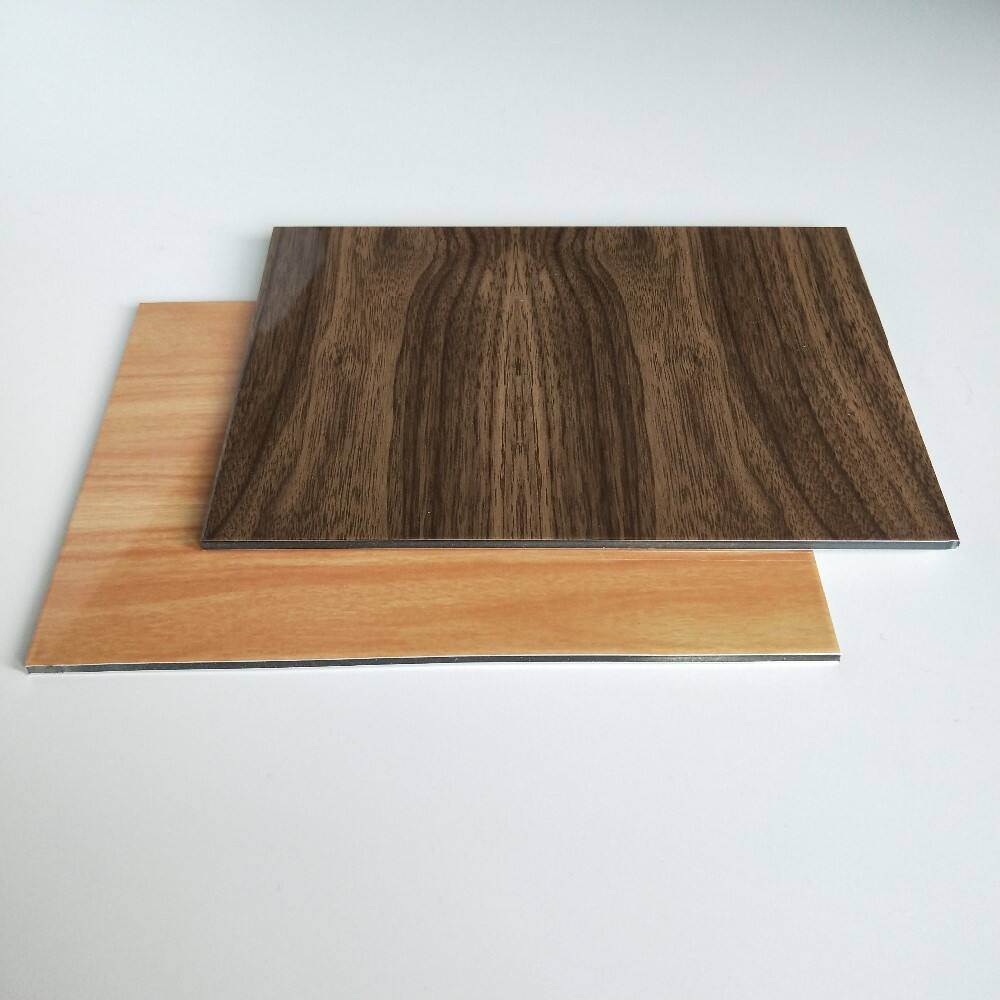
LUCKYBOND ACM Climate Resilience: Key Performance Metrics
UV Radiation Resistance and Color Stability Across Latitudes
LUCKYBOND ACM uses a high-performance PVDF (polyvinylidene fluoride) coating engineered to resist intense ultraviolet radiation—especially critical in equatorial zones where UV exposure peaks. This durable surface layer prevents chalking, fading, and gloss loss over time. Accelerated weathering tests per ASTM G154 confirm less than 5 ΔE color change after 2,000 hours of UV exposure, ensuring long-term aesthetic consistency across global installations—from Singapore to Quito.
Moisture, Salt Fog, and Corrosion Resistance in Humid & Coastal Climates
In coastal and tropical environments, LUCKYBOND ACM panels withstand constant moisture and airborne chloride ions through a dual-defense system: chemically treated aluminum skins bonded to a stable polyethylene core. Independent ASTM B117 salt spray testing shows no corrosion or blistering after 1,500 hours—validating performance in high-humidity regions like Southeast Asia and the U.S. Gulf Coast, where untreated substrates often fail prematurely due to water ingress and electrochemical degradation.
Thermal Stability Across Extremes: Arctic Winters to Desert Summers
Engineered for global deployment, LUCKYBOND ACM maintains structural integrity across −40°C to +80°C. Its low coefficient of thermal expansion minimizes warping or delamination during rapid temperature shifts. In desert climates, the reflective PVDF coating reduces surface heat absorption—thermal imaging shows façades running 25–31°C cooler than conventional metal cladding. In sub-zero conditions, the composite retains flexibility and impact resistance, eliminating brittleness-related fractures. This broad thermal resilience supports reliable use from Canadian tundra to Saharan deserts.
Real-World ACM Performance Validation by Climate Zone
Tropical Monsoon: 5-Year ACM Performance in Singapore
In Singapore—where annual rainfall exceeds 2,400 mm and relative humidity averages 84%—independent field studies tracked LUCKYBOND ACM façades over five monsoon seasons. Panels showed minimal surface degradation, with ΔE values consistently below 3.0 NBS units—well within industry-accepted thresholds for color stability. No warping or delamination occurred despite daily thermal cycling between heavy rain and 32°C ambient temperatures. Energy modeling confirmed a sustained 21–32% reduction in building heat gain versus traditional cladding, attributable to the material’s reflectivity and thermal inertia. Maintenance remained minimal: only bi-annual cleaning with pH-neutral solutions was required.
Arid & High-UV: Surface Integrity in Dubai
Dubai’s extreme climate—featuring annual UV indices above 11 and summer highs exceeding 48°C—serves as a real-world stress test for architectural cladding. Four-year field data from façades in the Burj Khalifa District revealed negligible tensile strength loss (<5%) and maintained solar reflectance at 95% of original levels. Gloss retention exceeded 85% (per ASTM D523), while nano-ceramic-enhanced coating technology resisted sand abrasion and chemical degradation from airborne particulates. These outcomes validate both structural longevity and measurable energy savings in high-solar environments.
Accelerated Climate Stress Testing of LUCKYBOND ACM Panels
Q-SUN UV + Salt Fog Cyclic Testing (ISO 11341 & ASTM G154)
To simulate years of combined environmental stress in weeks, LUCKYBOND ACM undergoes cyclic Q-SUN testing per ISO 11341 and ASTM G154—alternating UV exposure with salt fog immersion. This protocol replicates the synergistic damage caused by simultaneous photo-degradation and chloride-induced corrosion, particularly relevant to coastal and humid-arid transition zones. Results show no cracking, delamination, or adhesion loss; gloss and surface hardness remain stable throughout testing. Such rigor provides architects and specifiers with quantifiable, standards-aligned assurance of long-term facade resilience.
Lifecycle Maintenance and Cost Efficiency of ACM in Harsh Climates
Aluminum composite material delivers long-term cost efficiency primarily through exceptionally low maintenance demands—even in aggressive environments. When paired with climate-adapted care protocols, LUCKYBOND ACM extends service life well beyond 30 years while avoiding costly remediation or full replacement.
Climate-Specific Cleaning Protocols, Coating Monitoring, and Service Support
Coastal installations benefit from quarterly fresh-water rinsing to remove salt deposits before they initiate localized corrosion. In arid, high-dust regions, gentle low-pressure washing every 6–12 months prevents abrasive buildup that could compromise coating integrity. Coating health should be assessed every 12–18 months using non-destructive methods—including gloss measurement (ASTM D523) and cross-hatch adhesion testing (ASTM D3359)—to detect early UV-related degradation. Manufacturer-backed technical support ensures access to approved cleaning agents, recoating systems, and trained applicators—maximizing lifecycle value without compromising warranty coverage.
FAQ
What makes LUCKYBOND ACM panels resistant to UV radiation?
The panels use a high-performance PVDF coating that prevents chalking, fading, and gloss loss. Tests show less than 5 ΔE color change after 2,000 hours of UV exposure, confirming long-term resistance.
How does LUCKYBOND ACM handle harsh coastal environments?
The aluminum skins and polyethylene core create a dual-defense system against moisture and salts. ASTM B117 salt spray tests demonstrated no corrosion or blistering after prolonged exposure.
What are the thermal performance capabilities of LUCKYBOND ACM?
The material remains stable across temperatures ranging from −40°C to +80°C, with minimal warping or delamination. It also reduces surface heat absorption in hot climates.
How long do LUCKYBOND ACM panels last in tropical monsoon conditions?
Independent studies in Singapore showed minimal surface degradation over five years, with ΔE values below 3.0 NBS units. Panels require minimal maintenance, such as bi-annual cleaning.
What maintenance is required for LUCKYBOND ACM in coastal or arid climates?
Quarterly fresh-water rinsing can prevent salt deposits in coastal areas, while low-pressure washing every 6–12 months removes dust in arid regions. Regular coating health assessments ensure long-term performance.
Table of Contents
- LUCKYBOND ACM Climate Resilience: Key Performance Metrics
- Real-World ACM Performance Validation by Climate Zone
- Accelerated Climate Stress Testing of LUCKYBOND ACM Panels
- Lifecycle Maintenance and Cost Efficiency of ACM in Harsh Climates
-
FAQ
- What makes LUCKYBOND ACM panels resistant to UV radiation?
- How does LUCKYBOND ACM handle harsh coastal environments?
- What are the thermal performance capabilities of LUCKYBOND ACM?
- How long do LUCKYBOND ACM panels last in tropical monsoon conditions?
- What maintenance is required for LUCKYBOND ACM in coastal or arid climates?