 EN
EN

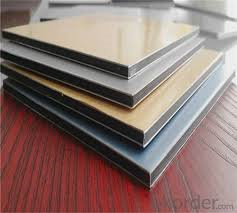
Core Structural Properties Enabling Multi-Method Aluminum Composite Material Installation
Mechanical Performance: Tensile Strength, Flexural Rigidity, and Thermal Expansion Behavior
Aluminum composite material (ACM) panels combine a polyethylene core with two aluminum skins to form a lightweight yet structurally efficient sandwich structure. Standard-grade ACM delivers tensile strength exceeding 45 MPa—sufficient to resist wind loading and impact without deformation, reducing reliance on heavy substructures. Its flexural rigidity minimizes oil-canning and maintains dimensional stability across large flat or curved spans, supported by an elastic modulus that accommodates both architectural expression and structural demand.
Thermal expansion behavior is central to multi-method compatibility. While aluminum skins expand and contract with temperature changes, the polymer core moderates differential movement, yielding a balanced coefficient of thermal expansion of approximately 2.4×10⁻⁵ per °C—consistent with industry-standard testing protocols. This predictable response enables reliable performance in both exposed and concealed fastening systems, as panel joints and connections can accommodate cyclic movement without buckling or sealant fatigue. Together, these mechanical properties ensure long-term integrity across installation methods—from direct-adhere to ventilated rainscreen assemblies.
Substrate-Agnostic Bond Integrity: Adhesion Stability Across Steel, Aluminum, and Concrete Backups
Successful ACM installation depends not only on internal bond strength but also on durable adhesion to diverse substrates—including steel studs, aluminum framing, and concrete backup walls. Modern ACM-compatible adhesives and high-bond tapes meet ASTM D1781 peel resistance requirements, sustaining forces above 22 N/mm even under sustained load and environmental stress. For metal substrates, closely matched coefficients of thermal expansion minimize interfacial stress; for concrete, surface preparation and compatible structural silicones ensure lasting bond integrity.
These adhesive systems are engineered to absorb differential movement between panel and substrate—critical in mixed-material assemblies where thermal, moisture, and settlement behaviors vary. As a result, ACM supports flexible integration into hybrid façade systems, whether installed via full-surface bonding, perimeter anchoring, or hybrid fastener-and-adhesive approaches—without compromising durability or detachment risk.
Fastening System Compatibility: Exposed vs. Concealed Aluminum Composite Material Installation
Selecting the right fastening method for aluminum composite material panels directly influences structural integrity, weathertightness, and visual outcome. Two primary approaches—exposed fastener and concealed clip systems—each bring distinct mechanical, corrosion-resistance, and aesthetic trade-offs that must align with the installation environment and design goals.
Exposed Fasteners: Load Distribution, Corrosion Resistance, and Aesthetic Integration
Exposed fastened systems secure ACM panels directly to the substrate using screws or rivets that penetrate the face. When spaced according to engineered guidelines, this method efficiently transfers wind loads into the building frame—making it suitable for mid-rise façades where structural simplicity and cost efficiency are priorities. Corrosion management is essential: all-aluminum fasteners eliminate galvanic risk on aluminum panels; where stainless steel is required—especially in coastal environments—300-series alloys provide proven resistance to salt-laden air. Pre-drilling slightly oversized holes and applying non-acidic barrier sealants further isolates dissimilar metals and prevents creep.
Aesthetically, color-matched fastener heads and narrow-panel layouts transform functional hardware into a deliberate design element—creating rhythm and scale without industrial connotations. This approach reduces labor and material costs while delivering robust performance, making it ideal for commercial and multifamily projects seeking bold, modern expression.
Concealed Clip Systems: Tolerance Management, Thermal Movement Accommodation, and Installation Efficiency
Concealed clip systems attach ACM panels from behind using interlocking rails or bracket-and-clip assemblies—eliminating visible hardware and enabling seamless façade continuity. Their adjustable mounting points compensate for substrate irregularities common in retrofit or complex structural conditions, ensuring consistent panel alignment without extensive leveling work.
Crucially, these systems allow panels to float independently during thermal cycling. Given ACM’s coefficient of thermal expansion (~2.4 mm/m over a 100°C swing), this freedom prevents stress transfer between panels, mitigating oil-canning, joint cracking, and sealant failure. Though initial layout requires greater precision, pre-assembled rail systems and rapid panel engagement streamline field installation. The result is a premium, uninterrupted surface—particularly advantageous for high-visibility façades, low-slope applications, and designs demanding strict weathertightness standards.
Fabrication-Facilitated Installation: How Aluminum Composite Material Workability Supports On-Site Adaptability
Cutting, Bending, and Routing Performance Under ISO 1209-2 and EN 14783 Standards
ACM panels support rapid, precise on-site fabrication—enabling real-time adaptation to field conditions without sacrificing performance. Standard woodworking tools—including circular saws, CNC routers, and press brakes—can cut, bend, and route panels cleanly, preserving core integrity and skin adhesion as validated by ISO 1209-2 (flexural performance of sandwich panels) and EN 14783 (metal cladding system requirements). V-grooving for return bends and corner details produces crisp, delamination-free edges—ideal for custom detailing and tight-tolerance interfaces.
This field workability eliminates extended lead times associated with off-site fabrication, allowing crews to respond immediately to dimensional variances or late-stage design changes. Lightweight handling reduces or removes crane dependency, lowering equipment costs and improving site logistics. Combined with CNC precision, ACM supports complex geometries—including curves, faceted surfaces, and integrated shadow lines—while maintaining structural consistency and aesthetic finish quality. Ultimately, its fabrication flexibility accelerates schedule delivery, reduces labor intensity, and sustains performance across diverse architectural applications.
Real-World Validation: Cross-Regional Aluminum Composite Material Installation Case Studies
ACM’s multi-method adaptability is confirmed by rigorous real-world performance across climatically extreme and structurally varied environments. In Siberia, an exposed-fastener curtain wall endured sustained –40°C temperatures for over a decade without cracking or loss of load-bearing capacity—demonstrating thermal-cycle resilience. In Saudi Arabia, a high-rise façade used concealed clip systems to manage repeated expansion at peak ambient temperatures near 50°C—maintaining panel flatness and joint integrity. Along Thailand’s humid coastline, routed and bent ACM panels formed tightly sealed, moisture-resistant joints—resisting mold, corrosion, and delamination for more than 12 years.
These cases underscore a consistent truth: ACM’s structural predictability—rooted in its balanced mechanical properties and substrate-flexible bonding—enables reliable deployment across the full spectrum of installation methods, from basic screw-fixing to advanced hidden-bracket systems—regardless of geography or climate.
FAQ
What are ACM panels made of?
ACM panels consist of a polyethylene core sandwiched between two aluminum skins, forming a lightweight yet structurally efficient material.
How do ACM panels handle thermal expansion?
ACM achieves balanced thermal expansion with a coefficient of approximately 2.4×10⁻⁵ per °C, allowing it to maintain structural stability under temperature changes.
What fastening methods can be used for ACM installation?
ACM supports both exposed fastener systems and concealed clip systems, each offering distinct benefits depending on project needs and aesthetic goals.
Can ACM panels be fabricated on-site?
Yes, ACM panels support on-site cutting, bending, and routing using standard woodworking tools, enabling real-time adaptation to field conditions.
Are ACM panels suitable for extreme climates?
Yes, ACM panels have been validated in extreme environments, such as Siberia and Saudi Arabia, demonstrating resilience to severe thermal and environmental conditions.
Table of Contents
- Core Structural Properties Enabling Multi-Method Aluminum Composite Material Installation
- Substrate-Agnostic Bond Integrity: Adhesion Stability Across Steel, Aluminum, and Concrete Backups
- Fastening System Compatibility: Exposed vs. Concealed Aluminum Composite Material Installation
- Fabrication-Facilitated Installation: How Aluminum Composite Material Workability Supports On-Site Adaptability
- Real-World Validation: Cross-Regional Aluminum Composite Material Installation Case Studies
- FAQ