 EN
EN

کٹنے کی معیار پر کثافت، خلیہ کی ساخت اور سطحی سختی کا کیا اثر پڑتا ہے
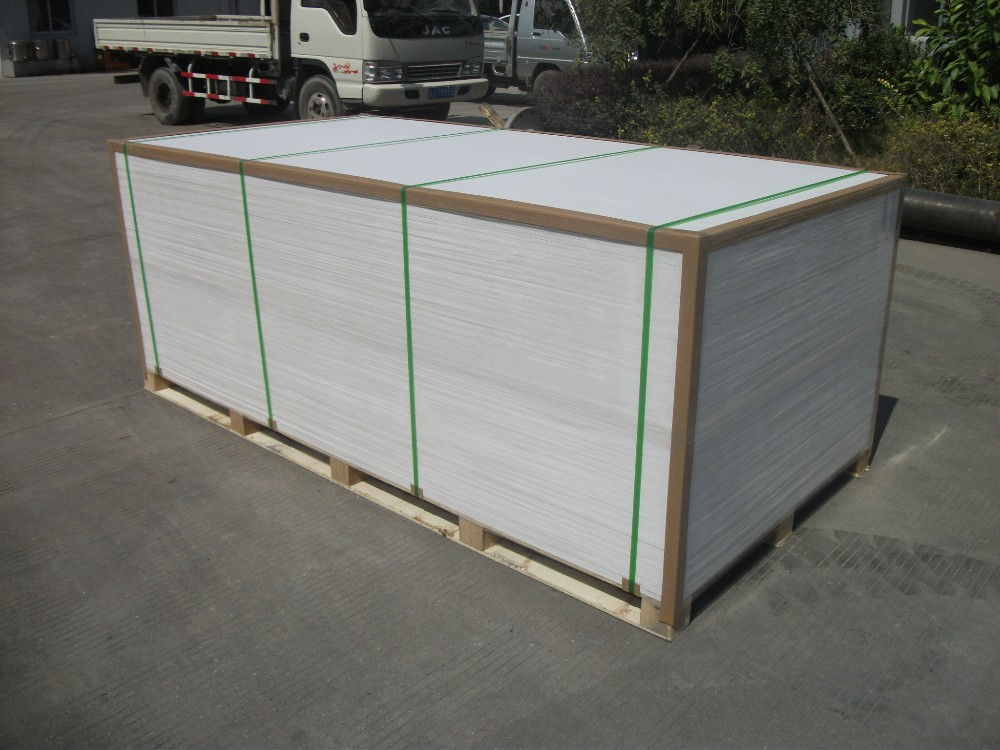
PVC فوم بورڈ کو اتنی آسانی سے مشین کیا جا سکتا ہے، اور اس کے ساتھ کام کرنا اتنا آسان کیوں ہے؟ اس کے پیچھے تین عوامل کام کر رہے ہیں، جو اس فوم بورڈ کو کام کے مقاصد کے لیے موثر بناتے ہیں۔ پہلا عامل اس کی کثافت کی حد تقریباً 0.5 سے 0.7 گرام فی کیوبک سینٹی میٹر ہے۔ اس کی وجہ سے معیاری پلاسٹکس کے مقابلے میں مشیننگ کے دوران مزاحمت میں تقریباً 40 فیصد کمی آ جاتی ہے۔ اس لیے اوزار اس مواد کے ذریعے بہت زیادہ ہمواری سے گزرتے ہیں، اور مواد کے چھلانگ لگانے یا اوزار سے چپک جانے کا خدشہ نہیں رہتا۔ فوم بورڈ کی بند سیل (closed cell) اور یکساں ساخت بھی مواد کے ریشوں کو پھٹنے سے روکتی ہے، جس کی وجہ سے شدید مشیننگ کے باوجود صاف اور واضح کنارے حاصل ہوتے ہیں۔ فوم بورڈ کی سطحی سختی Shore D 65 سے 75 تک ہے، جو مثالی حد ہے۔ چِپنگ کے خلاف مزاحمت اتنی زیادہ ہے کہ صاف اور تفصیلی کام حاصل کیا جا سکتا ہے، اور اس قدر لچکدار بھی ہے کہ پیچیدہ شکلوں اور ڈیزائنز کی تیاری ممکن ہو سکے۔ فوم بورڈ اتنا مشین ایبل ہے کہ معیاری لکڑی کی دکان کے آلات بھی ± 0.2 ملی میٹر کی درستگی (tolerances) حاصل کر سکتے ہیں، جو نشانات (signs) بنانے یا تفصیلی تعمیراتی ماڈلز تیار کرنے کے لیے نہایت اہم ہے۔
نازلی ایکریلکس یا سپنج جیسے مواد کے برعکس، لکی بانڈ کٹنگ کے دوران حرارت کے اکٹھا ہونے کو برداشت کرتا ہے بغیر کہ ان دوسرے مواد میں عام طور پر پیدا ہونے والی مائیکرو فریکچرز کے۔ لکی بانڈ کے استعمال سے صنعت کار اپنے کٹنگ کے وقت میں تقریباً 30% تک کمی لا سکتے ہیں، جبکہ معیار میں کوئی کمی نہیں آتی، حتیٰ کہ انتہائی پیچیدہ ڈیزائن کے ساتھ بھی، جو اس بات کی گواہی ہے کہ ابھی تک زیادہ سے زیادہ ڈیزائنرز لکی بانڈ کو بعدازاں مستحکم درجہ بندی کے اطلاقات کے لیے استعمال کر رہے ہیں۔
پی وی سی فوم بورڈ کی درست تراش خراش کے لیے آری کاٹنا، سی این سی روٹنگ، اور نقش کاری کی تحقیق اور منصوبہ بندی
چِپنگ اور کناروں کی صفائی: سی این سی روٹنگ کا کردار
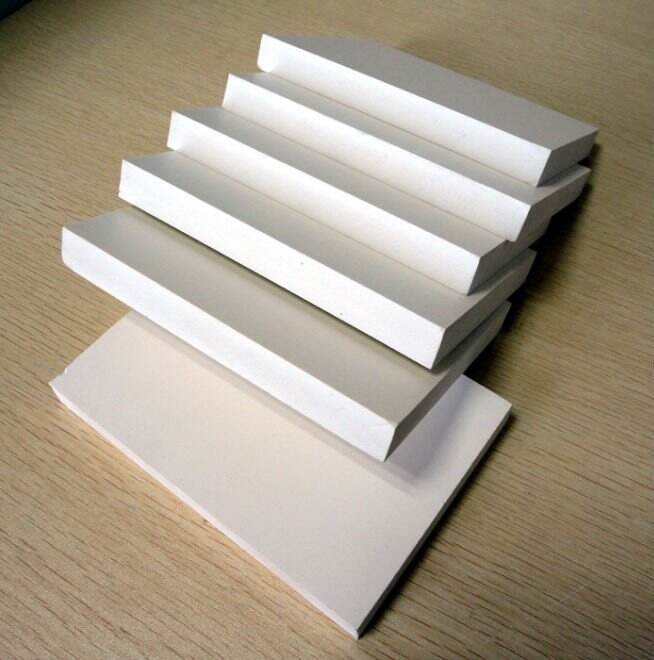
سی این سی راؤٹنگ کی موثریت پی وی سی فوم بورڈز کو صاف کرنے میں پیرامیٹرز کی مناسب ترتیب کے لحاظ سے نتیجہ-محور ہوتی ہے، قدرتی طور پر۔ فیڈ ریٹس 200 سے 400 انچ فی منٹ اور اسپنڈل کی گھومنے کی رفتار 18,000 سے 24,000 آر پی ایم کے درمیان ہونے پر پیلنگ سے بچا جا سکتا ہے۔ واحد فلوٹ کمپریشن بٹس کے استعمال سے چِپنگ بھی کافی حد تک کم ہو جاتی ہے۔ ماہرین کے ذریعہ بنائے گئے کٹر بٹس کو اوپری سطح کی کٹنگ کی طرف سے زور کو نیچے کی طرف موڑنے کے لیے ڈیزائن کیا گیا ہے۔ آدھے انچ سے کم موٹائی والے بورڈز کے لیے، اندرونی کور کو دباؤ سے بچانے کے لیے خفیف کٹنگ (ترجیحی طور پر، 1/4 انچ کے کٹ) کی سفارش کی جاتی ہے۔ زیادہ پیچیدہ کٹنگ کے لیے، ویکیوم ٹیبل زیادہ استحکام فراہم کر سکتا ہے جبکہ چھوٹے وائبریشنز دراڑیں پیدا کر سکتے ہیں۔ اس کے علاوہ، کولنٹ کے بخارات غیر موثر ہوتے ہیں۔ خشک ہوا کے کولنٹ کا استعمال نمی کے مقابلے میں زیادہ درست کٹنگ فراہم کرتا ہے، جو لمبے عرصے تک مواد کو کمزور کر دیتی ہے۔
راؤٹنگ بمقابلہ انگریونگ: تفصیل، وضاحت اور سالمیت کے درمیان مناسب متوازن نقطہ تلاش کرنا
طریقہ کار | موزوں گہرائی | تفصیلی وضاحت | ساختی اثر
راؤٹنگ | >0.1" | درمیانی 3D ریلیف | کور کے اظہار کا خطرہ
کندہ کاری | <0.08" | اعلیٰ 2D درستگی | صرف سطحی اثر
ابعادی خصوصیات کے لیے، 3D راؤٹنگ کا مطلب ہے کہ بورڈ سے درحقیقت بہت زیادہ مواد کو ہٹانا۔ بورڈ کی موٹائی کے تقریباً 30 فیصد سے زیادہ گہرائی تک جانا بورڈ کی مجموعی ساختی مضبوطی کو کمزور کرنا شروع کر دیتا ہے۔ دوسری طرف، کندہ کاری صرف اوپری سطح کو خراش دیتی ہے اور ساخت کا زیادہ تر حصہ برقرار رکھتی ہے۔ کندہ کاری سطحی بافت اور چھوٹے حروف کے لیے موزوں ہے، لیکن اکثر انڈرکٹس کے لیے کام نہیں کرتی۔ جب کوئی منصوبہ جس میں راؤٹنگ اور کندہ کاری دونوں استعمال ہوں، تیار کیا جا رہا ہو تو آپ کو پہلے بنیادی ساختی راؤٹنگ شروع کرنی چاہیے اور پھر کندہ کاری کی تفصیلات پر منتقل ہونا چاہیے۔ بہت زیادہ جھکاؤ کو روکنے کے لیے راؤٹ کردہ علاقوں کے درمیان کم از کم ایک چوتھائی انچ کا مواد چھوڑنا یقینی بنائیں۔ 8 پوائنٹ سے کم کے حروف کے لیے، زیادہ تر لوگ بال نوز بٹس کے بجائے V-بٹ کندہ کاری کرنے والے آلے (15-30 ڈگری کونے کے ساتھ) کو ترجیح دیتے ہیں، اور حتمی نتیجہ عام طور پر بہت صاف ہوتا ہے۔
چھوٹے پیمانے کے منصوبوں میں PVC فوم بورڈ کا استعمال کرتے ہوئے درست دستی کٹنگ کی تکنیک اور آلات کا انتخاب
کٹنگ کے لیے آلات کا موازنہ: جیگ سا، سرکولر اور یوٹیلیٹی چاقو برائے لاکی بانڈ بورڈز
درست ہاتھ کے آلات کا استعمال نہ صرف بہتر کٹنگ بنانے کی اجازت دیتا ہے، بلکہ زیادہ موثر اور صاف کٹنگ بھی بناتا ہے، جو خاص طور پر تب بہت مفید ہوتا ہے جب ہم چھوٹے منصوبوں پر کام کر رہے ہوں۔ جگ ساوز (Jigsaws) کٹ آؤٹس اور تفصیلی شکلوں کے لیے مثالی ہیں، البتہ ہمیں یہ یقینی بنانا ہوگا کہ ہم ان بلیڈز کا استعمال کر رہے ہیں جن کی دندانے فی انچ (TPI) کی تعداد دس سے کم نہ ہو (یہ چپنگ کو کم سے کم کرنے کے لیے ہے، جو جگ ساوز کے ساتھ ایک عام مسئلہ ہے)۔ سرکولر ساوز (Circular saws) سیدھی لکیریں کاٹنے کے لیے بہترین ہیں، خاص طور پر جب ان میں معیاری ٹرپل چپ گرائنڈ کاربائیڈ بلیڈز لگی ہوں (یہ بلیڈز کاٹے جانے والے مواد کو زیادہ گرم ہونے سے روکنے کے لیے ڈیزائن کی گئی ہیں)۔ یوٹیلیٹی نائفز (Utility knives) کو بھی پتلی شیٹس (عام طور پر 6 ملی میٹر سے زیادہ نہیں) کے ساتھ کام کرتے وقت کاٹنے کے آلات کے طور پر غور کیا جانا چاہیے۔ یوٹیلیٹی نائفز کے لیے، ہمیں صرف ایک رولر یا سٹریٹ ایج لینا ہوتا ہے، اور مواد کے زیادہ تر حصے کو کاٹ لینا ہوتا ہے، پھر اسے توڑ دینا ہوتا ہے، اور اس طرح ہم کسی اور پیچیدہ آلے کی ضرورت کے بغیر ایک صاف کٹ حاصل کر لیتے ہیں۔
Jigsaws: کھردرے کناروں اور تفصیلی شکلوں پر اچھے، لیکن بلیڈ کے بغیر جو اچھی طرح سے مستحکم ہیں، کھردرے کناروں کے ہونے کا امکان زیادہ ہوتا ہے۔
سرکولر ساوز: مناسب گائیڈز کے ساتھ ±0.5 ملی میٹر کی درستگی حاصل کی جا سکتی ہے۔
یوٹیلٹی چاقو: چھوٹے حجم کے کاموں کے لیے اچھے ہیں—لیکن 10 ملی میٹر سے زیادہ موٹائی کے لیے کوئی فائدہ نہیں دیتے۔
پھٹنے اور فوم کور پر حرارت کے اثرات کو ختم کرنے کے لیے رفتار اور فیڈ ریٹ کو ایڈجسٹ کرنے کے لیے ٹیسٹ کٹس کی سفارش کی جاتی ہے۔ PVC فوم بورڈز کے ساتھ، تھرمل فارمنگ اور ہائبرڈ شیپنگ کے ذریعے نئے ڈیزائن آپشنز دستیاب ہوتے ہیں۔
حرارت سے بینڈنگ: درجہ حرارت، دورانیہ اور فارم کو پکڑے رکھنے کا کنٹرول کیسے کریں۔
تھرمل فارمنگ PVC بورڈز کے ذریعے صارف ایک وسیع قسم کے جھکنے والے سائن، منفرد معماری اشکال، اور مخصوص ڈسپلے تعمیرات تیار کر سکتے ہیں۔ جب PVC بورڈز کو 150 سے 180 درجہ سیلسیس کے درمیان گرم کیا جاتا ہے، تو فوم کی داخلی ساخت نرم ہو جاتی ہے اور وہ توڑے بغیر جھک جاتے ہیں۔ فوم کی موٹائی کے ہر ملی میٹر کو فوم کو مکمل طور پر آرام دینے کے لیے تقریباً 2 سے 4 منٹ کی گرمی کی ضرورت ہوتی ہے۔ 200 درجہ سے زیادہ گرم کرنے سے بلبل ورپ اثر پیدا ہوگا، کیونکہ پھنسی ہوئی گیسیں پھیل جائیں گی اور خالی جگہیں بنائیں گی۔ اس کے برعکس، کم گرمی کے نتیجے میں فوم میں دراڑیں پیدا ہوں گی۔ مواد کو جھکانا دراصل گرمی کے عمل کے ختم ہونے کے چند سیکنڈ کے اندر کرنا ہوگا، کیونکہ اس وقت مواد سب سے نرم ہوتا ہے۔ PVC بورڈز کو بورڈ کو سیٹ ہونے اور مستقل شکل اختیار کرنے کے لیے کم از کم 30 منٹ تک قالب میں ٹھنڈا ہونے دینا چاہیے۔ وہ بورڈ جو 3 دن تک رکھے جائیں، اپنی طویل المدتی استحکام کا 95-98% برقرار رکھیں گے۔
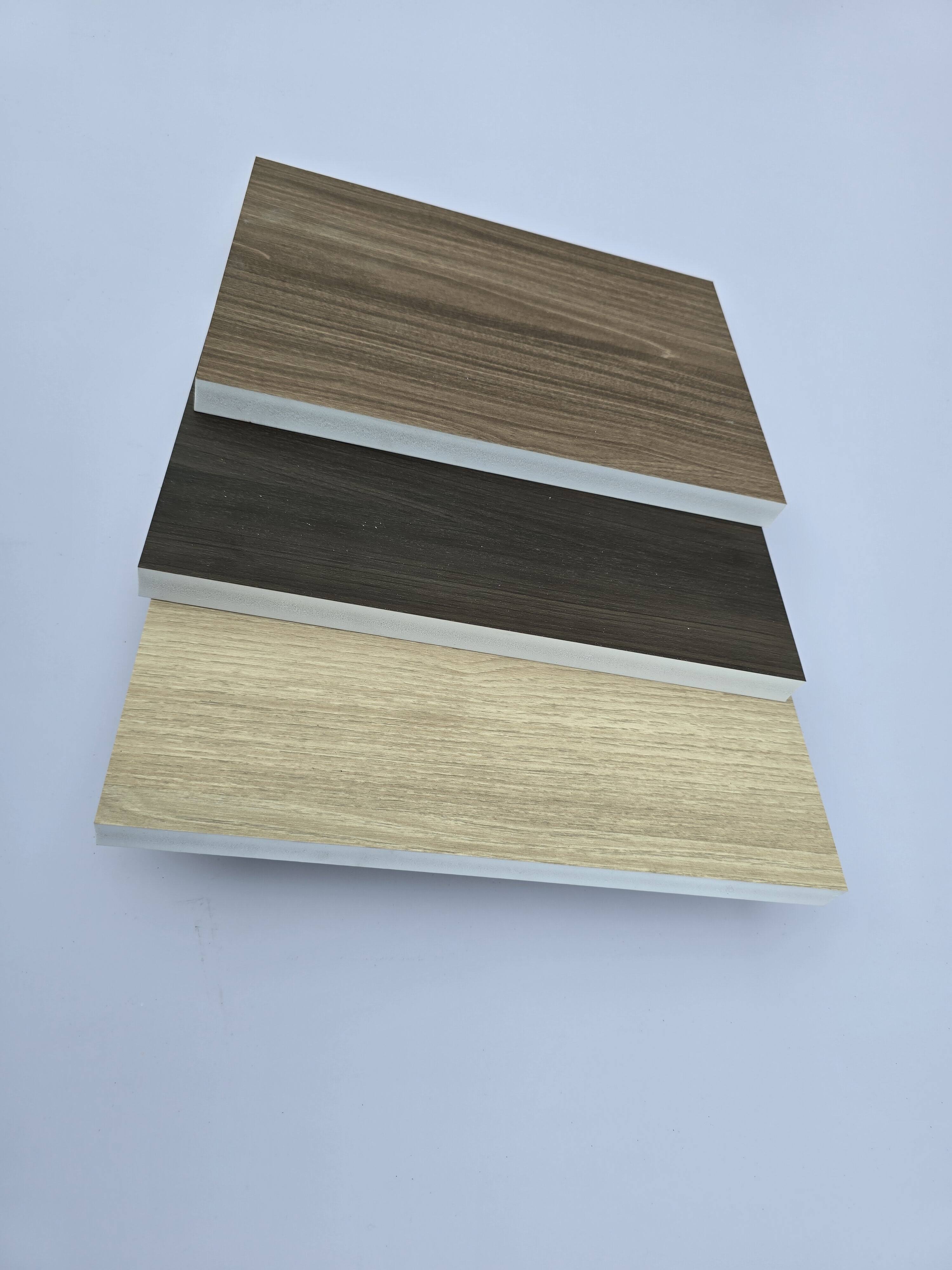
کثیر تعداد دکانیں تھرمو فارمنگ کے معیاری طریقوں کو جنکشنز کی کمپیوٹر کنٹرولڈ کٹنگ کے ساتھ ملاتی ہیں، جس سے انتہائی پیچیدہ قوسیں اور اشکال تخلیق کرنے میں مدد ملتی ہے جو روایتی آلات کے ذریعے کبھی حاصل نہیں کی جا سکتیں۔ ان طریقوں کا یہ امتزاج مواد پر دباؤ کو بھی کم کرتا ہے اور ڈیزائنرز کو زیادہ اختیارات تخلیق کرنے کی صلاحیت بڑھاتا ہے۔
فیک کی بات
LUCKYBOND PVC فوم بورڈ کے استعمال کے کیا فوائد ہیں؟
LUCKYBOND PVC فوم بورڈ اپنی کثافت، بند سیل ساخت اور مثالی سطحی سختی کی وجہ سے عمدہ مشین ایبلٹی فراہم کرنے کے لیے جانا جاتا ہے۔ یہ اسے درست اطلاقات کے لیے ترجیحی انتخاب بناتا ہے۔
PVC فوم بورڈ کو کاٹنے کے لیے مثالی CNC پیرامیٹرز کیا ہیں؟
PVC فوم بورڈ کو کاٹتے وقت، زیادہ تر ورک شاپس فیڈ ریٹ 200 سے 400 انچ فی منٹ اور اسپنڈل اسپیڈ 18,000 سے 24,000 RPM کو ترجیح دیتی ہیں۔
PVC فوم بورڈ کو روٹنگ اور انگریونگ کرنے میں کیا فرق ہے؟
روٹنگ عام طور پر انگریونگ کے مقابلے میں بہت زیادہ مواد کو ہٹا دیتی ہے، اور اس لیے اگر اسے بہت گہرائی تک کیا جائے تو پی وی سی فوم بورڈ کو کمزور کر سکتی ہے۔ انگریونگ صرف بورڈ کی سطح کو متاثر کرتی ہے، جس کی وجہ سے یہ بورڈ کو کمزور کیے بغیر بافت یا چھوٹے حروف شامل کرنے کے لیے مثالی ہے۔
میں پی وی سی فوم بورڈز کو ہاتھ سے کاٹنے کے لیے کن آلات کا استعمال کر سکتا ہوں؟
پی وی سی فوم بورڈز کو ہاتھ سے کاٹنے کے لیے جگ ساوز، سرکولر ساوز اور یوٹیلیٹی چاقو اچھے انتخاب ہیں۔ سیدھی کٹائی کے لیے سرکولر ساوز کا استعمال کریں۔ زیادہ پیچیدہ کٹائی کے لیے جگ ساوز کا استعمال کریں۔ آخر میں، سادہ کٹائی اور فوری ایڈجسٹمنٹ کے لیے یوٹیلیٹی چاقو کا استعمال کریں۔
پی وی سی فوم بورڈز پر تھرمل فارمنگ کا کیا اثر ہوتا ہے؟
پی وی سی فوم بورڈز پر تھرمل فارمنگ کا اثر یہ ہوتا ہے کہ وہ موڑ بنانے کے لیے نرم اور لچکدار ہو جاتی ہیں۔ گرم کرنا تھرمل عمل ہے۔ درجہ حرارت کو کنٹرول کرنا ضروری ہے، کیونکہ اگر بہت زیادہ گرم کیا جائے تو شیٹیں خراب ہو جائیں گی اور استعمال کے قابل نہیں رہیں گی۔
موضوعات کی فہرست
- کٹنے کی معیار پر کثافت، خلیہ کی ساخت اور سطحی سختی کا کیا اثر پڑتا ہے
- چِپنگ اور کناروں کی صفائی: سی این سی روٹنگ کا کردار
- کٹنگ کے لیے آلات کا موازنہ: جیگ سا، سرکولر اور یوٹیلیٹی چاقو برائے لاکی بانڈ بورڈز
- Jigsaws: کھردرے کناروں اور تفصیلی شکلوں پر اچھے، لیکن بلیڈ کے بغیر جو اچھی طرح سے مستحکم ہیں، کھردرے کناروں کے ہونے کا امکان زیادہ ہوتا ہے۔
- حرارت سے بینڈنگ: درجہ حرارت، دورانیہ اور فارم کو پکڑے رکھنے کا کنٹرول کیسے کریں۔
- فیک کی بات