EN
EN

Choosing the Right PVC Foam Board Thickness: Insights From Real-World Projects
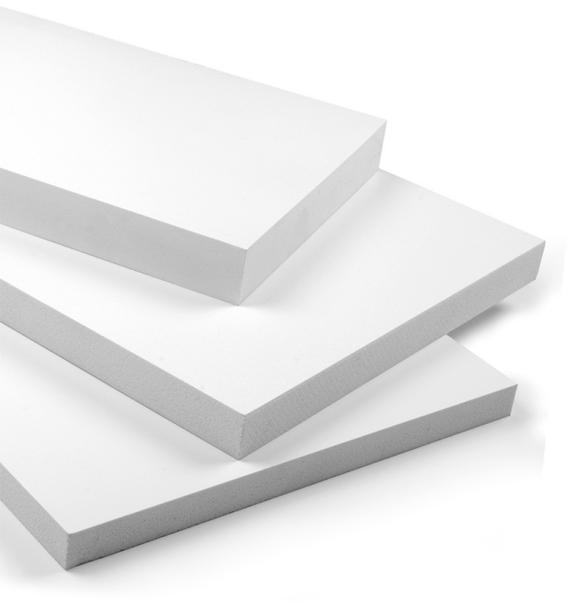
A few months ago, a design and fabrication firm based in Denver contacted me with a situation they couldn’t quite explain. They had completed an outdoor wayfinding project using 3mm PVC foam board—material they had used for years in various indoor installations without any issues. But shortly after mounting the signs outdoors, they noticed subtle bending across several panels.
What the team experienced is something I’ve seen repeatedly throughout my nearly thirty years in the plastics industry: the difference in performance between PVC foam board thicknesses becomes obvious only after installation—especially outdoors. When sheets are sitting on a pallet inside a workshop, even thin boards look sturdy and identical. But once the environment adds heat, wind, or moisture, the limits of certain thicknesses quickly become visible.
The reassuring part is that issues like this can be fully avoided by choosing the right thickness from the start. PVC foam board has well-established performance categories, but many buyers are either unaware of them or underestimate the impact of environmental conditions on thin material. The price difference between 3mm and 6mm may seem small, but the real-world durability gap is significant.
Understanding the Capabilities of Each Thickness
1–3mm: Best for Lightweight Indoor Use
Thin boards are useful, but they are not suited for demanding applications.
- 1mm is typically used for craft projects, menu inserts, or extremely temporary indoor graphics. Even mild outdoor exposure causes immediate bending.
- 2mm works for retail posters, special event graphics, and displays where cost and light weight matter more than durability.
- 3mm is the most common indoor signage thickness. It can work outdoors only when placed in a fully sheltered location. Many problems arise because people assume partial shade equals protection—it does not.
The most frequent mistake I encounter is selecting 3mm for general outdoor signage. It may look fine during installation, but warping often begins within weeks or months.
4–6mm: The Industry’s Most Versatile Thickness Range
This is where most professional sign makers choose to operate.
- 4mm provides much better rigidity than 3mm and performs acceptably for small outdoor signs in mild weather.
- 5mm offers a good balance between weight and strength, making it a popular choice for semi-outdoor environments such as covered walkways.
- 6mm is widely considered the standard outdoor thickness. It stands up to wind, temperature changes, and handling while maintaining its flatness over time.
Many experienced fabricators describe 6mm as “cheap insurance”—a small cost increase that prevents callbacks and ensures professional results.
8mm and Up: Structural and Heavy-Duty Applications
As thickness increases, so does long-term stability.
- 8mm is ideal for large outdoor signs, façade accents, and marine installations requiring added wind resistance.
- 10–15mm thicknesses are used for architectural features, building paneling, and large-scale displays.
- 15–20mm boards are reserved for demanding structural uses or environments with high wind load where failure cannot be tolerated.
Choosing the Right Thickness for Each Application
Indoor Signage
Indoor conditions are consistent, allowing flexibility in material selection.
- 2–3mm works well for temporary promotions and lightweight displays.
- 4–6mm offers greater rigidity and a more substantial appearance, making it ideal for permanent indoor signage.
- Large interior panels—especially anything wider than four feet—often require 6mm or thicker to keep a flat surface.
Outdoor Signage
Outdoor environments introduce heat, cold, moisture, wind, and constant vibration.
- 4–6mm performs well in fully sheltered outdoor spaces.
- 6mm minimum is recommended for general outdoor signage.
- 8–12mm is needed for large panels or for installations in windy zones.
As the sign size increases, the required thickness increases with it.
Wind is particularly damaging because it causes ongoing movement. Thin boards can flex repeatedly, leading to fatigue and eventual cracking.
Construction and Architectural Applications
Building-related projects require materials that deliver long-term stability.
- Exterior cladding: typically 8–15mm to resist wind, UV exposure, and temperature swings.
- Interior architectural elements: generally 6–10mm, depending on the mounting method and decorative requirements.
These applications demand consistency, strength, and minimal deformation over years.
Environmental Conditions You Must Account For
Temperature
PVC foam board reacts noticeably to heat and cold.
- High temperatures soften thin boards, causing sagging or bowing.
- In cold environments, the material becomes more brittle and prone to cracking.
- Repeated cycles of heat and cold increase the risk of warping, especially in boards under 4mm.
Wind Load
- Wind is the top cause of outdoor PVC foam board failures.
- Even moderate winds can cause flexing and long-term fatigue.
- Coastal and high-wind areas require thicker sheets.
Mounting span matters—greater spacing between supports demands thicker material.
Balancing Cost and Long-Term Value
Choosing thinner material may save money upfront but often leads to higher replacement costs later.
- Failures result in lost labor time, remanufacturing costs, and client dissatisfaction.
- Repeated service calls erode profit margins.
- Warping or cracking can damage a business’s reputation.
Successful fabrication shops typically standardize on:
- 3mm for indoor short-term displays
- 6mm for outdoor signage
- 10mm for architectural or structural applications
Bulk purchasing of a few reliable thicknesses often reduces overall material cost.
Why Manufacturer Quality Matters
Thickness alone does not determine performance. The consistency and density of the board are equally important.
- Inconsistent thickness can cause uneven surfaces or weak points that lead to bending.
- High-quality manufacturers maintain tight tolerance control and stable material density.
- Factors such as rigidity, weather resistance, and surface finish make a major difference in real-world durability.
Knowing the manufacturer’s actual specifications—not just nominal thickness—helps ensure predictable results.
Choosing the right thickness of PVC foam board isn’t just about appearance—it directly affects long-term stability, performance, and customer satisfaction. Whether the material is used for outdoor signage, advertising displays, architectural décor, or any application exposed to changing weather conditions, proper planning during the material-selection stage is essential. Making the right decision up front helps prevent warping, callbacks, misunderstandings, and unnecessary project costs.
By understanding how different thicknesses perform in indoor versus outdoor environments, teams can make more informed decisions and maintain consistent quality across every project. With thoughtful selection and proper application, PVC foam board remains a cost-effective, reliable, and professional solution for a wide range of commercial and construction needs.