 EN
EN

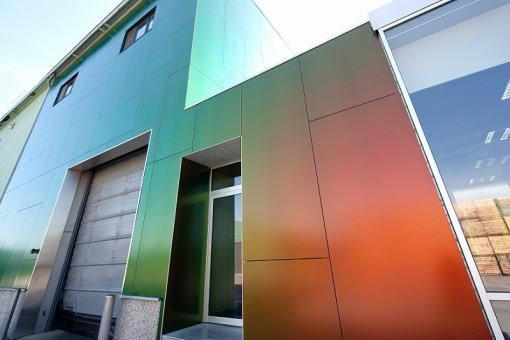
To Gage the Environmental Impact of Aluminium Composite Material
Effect of Energy Consumption and Carbon Footprint on ACM Production
It is said that, when looking at the cradle-to-gate energy consumption of ACM, more than 80% of that consumption of energy is estimated to occur during the production of aluminium. The first production of aluminium from the ore is said to produce about 4.5 to 22 tonnes of CO₂e for every tonne of aluminium produced, depending on the energy source used in the region. To reduce the impact on the environment, the leading companies in the sector are said to be using renewable energy and advanced technology to reduce the “cost”of aluminium production, to the effect that the “cost”of aluminium production is said to be reduced by about 40% more than by the conventional technology. As for the energy-consuming aspect of the polyethylene core, it can be said that it is more than offset by the energy-consuming aspect of the process, that of low-energy extrusion. When the raw materials are sourced from nearby locations, the transportation is said to produce less than 0.5 tonnes of CO₂e for every tonne of finished aluminium composite material. This would imply that the effect of local supply chains on the environment is positive.
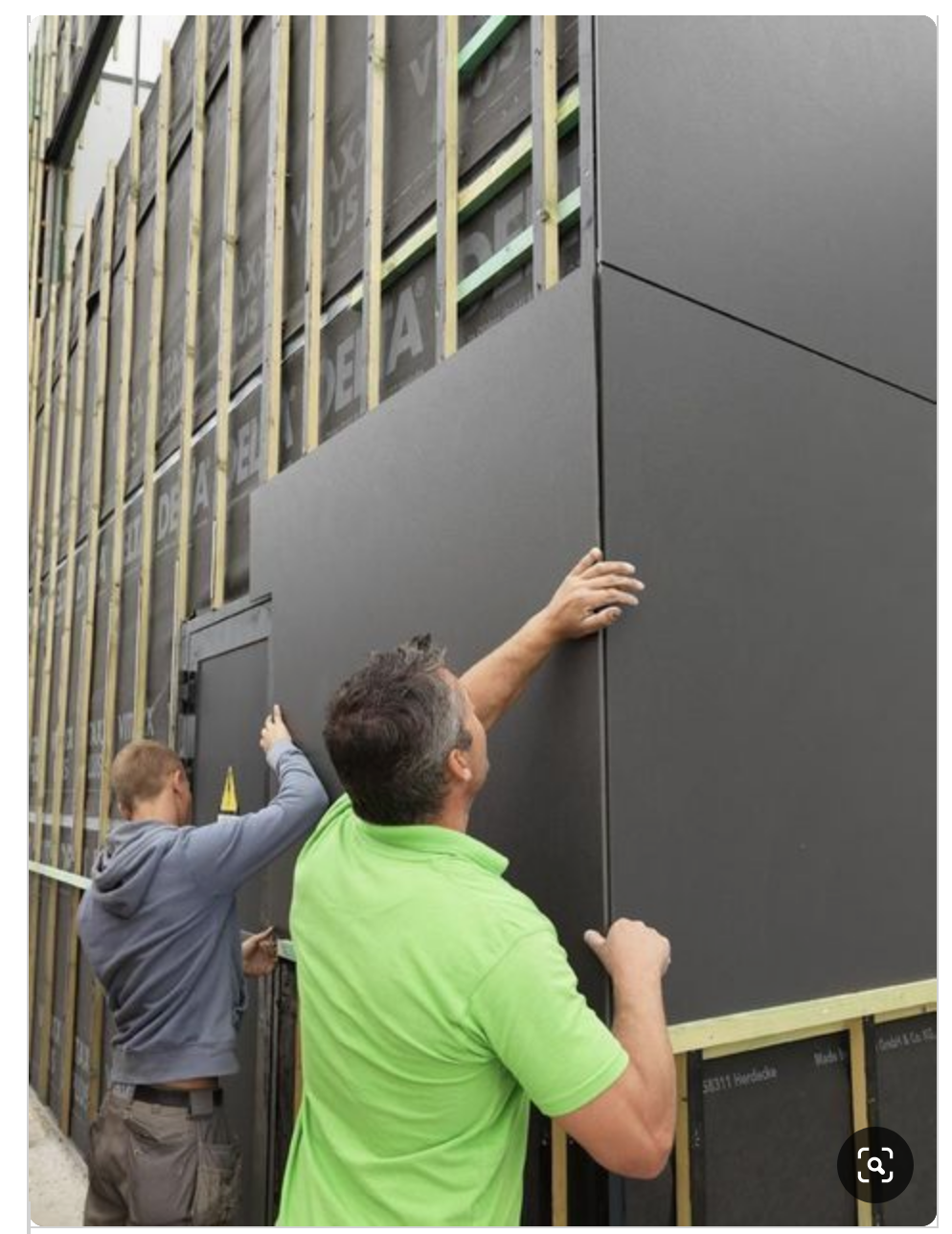
Low VOC Emissions and Sustain
Human Health Safety and Toxicity Profile of LUCKYBOND Aluminium Composite Material
Non-Toxic Core Formulation and Fire-Retardant Additive Transparency
LUCKYBOND ACM’s polyethylene core does not use lead, cadmium or any of the heavy metals that are controlled. For the fire-retardant versions, minerals that are proven to suppress flame spread and to suppress smoke and fumes that are toxic are used. These materials are fully disclosed; Material Safety Data Sheets (MSDS) are available to architects, installers, and building owners at their discretion. Third party testing shows that the product meets the requirements of EN 16516 for VOC emissions, which means it has no impact on indoor air quality, and ISO 10993-5 for the cytotoxicity of the product, which shows that it is safe for use. As a result, LUCKYBOND ACM can be used in schools, hospitals, and all residential areas and buildings.
Regulatory Compliance: EU REACH, RoHS, and GB/T 23444–2009
According to EU REACH, if the SVHC is present at > 0.1% of the weight of an article, then it is considered a substance of very high concern. RoHS limits the presence and use of the chemicals of concern to <1000 ppm, and the GB/T 23444-2009 also validates the mechanical performance and the non-toxicity of the products. Independent audits confirm the safety and chemical compliance of all production batches; the control of the supply-chain demonstrates the commitment to a centralized proactive alignment of the protection of human health for all business done internationally.
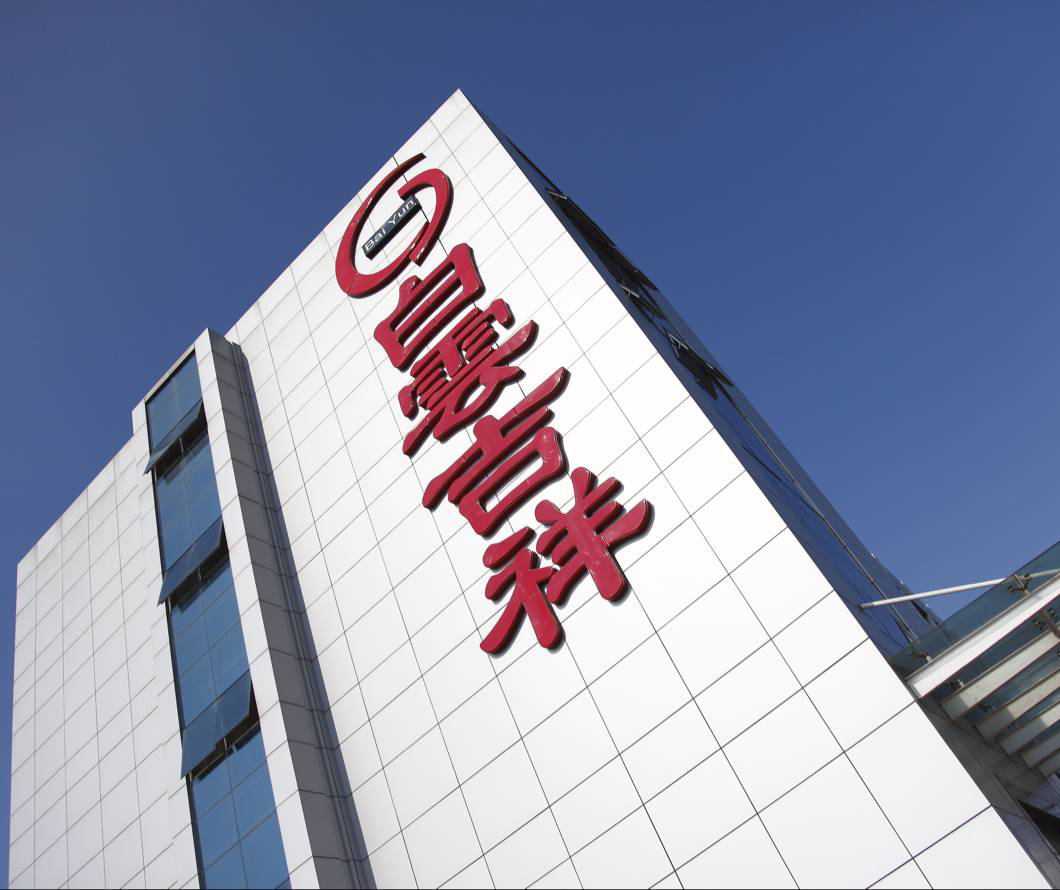
Breaking Down Sustainability Effects After Life: Recycling and the Circular Possibilities of Aluminum Composite Materials
Integration of Aluminum Recovery Rates (>95%) and Post-Consumer Recycled Content
Through the near-total recyclability of its aluminum content, aluminum composite materials bring great added value at the end of the life cycle: recovery rates for aluminum exceed 95%, and the aluminum retains its full metallurgical structure and can be reused for the production of new products. Recycled aluminum requires only 5% of the energy necessary for the production of virgin aluminum, which significantly reduces the corresponding carbon emissions. Incorporating post-consumer recycled aluminum reduces the pressure on bauxite mining and landfill disposal. This very efficient resource recovery loop makes aluminum composite materials excellent building materials that meet the resource-efficiency and sustainability needs.
Frequently Asked Questions
What is the carbon footprint of aluminum composite materials?
The carbon footprint is highly dependent on the source of the electricity used. For virgin aluminum production, the footprint is between 4.5–22 tons of CO2 equivalent for every ton of aluminum produced. Newer smelting technologies and the use of renewable energies can decrease it by about 40%.
Are LUCKYBOND ACM products free of toxins?
Yes. LUCKYBOND ACM products use a polyethylene core that does not contain lead, cadmium, or other heavy metals that are of concern. Additionally, they meet strict global standards for toxicology and safety.
What does an LUCKYBOND sustainable manufacturing system look like?
LUCKYBOND takes a lot of measures including closed-loop solvent recovery systems, water-borne coatings, regenerative thermal oxidizers, and waste heat recovery. These reduce the emissions of hazardous air pollutants and VOCs. Combined, they help survive the Natural Gas and become compliant with the ISO 14001 standard.
What is the recycling capability of aluminum composite material?
Aluminum composite material recycling is highly efficient, with aluminum recovery at over 95%, with recycled aluminum retaining its full metallurgical properties and requiring only 5% of the energy needed for primary production.
Is LUCKYBOND in compliance with international safety standards?
Yes, LUCKYBOND is in compliance with EU REACH, RoHS, and GB/T 23444–2009. These certifications are the assurance of the absence of dangerous materials, along with mechanical performance of the material and non-toxic properties.