 EN
EN

Understanding the Environmental Durability of Aluminium Composite Panels
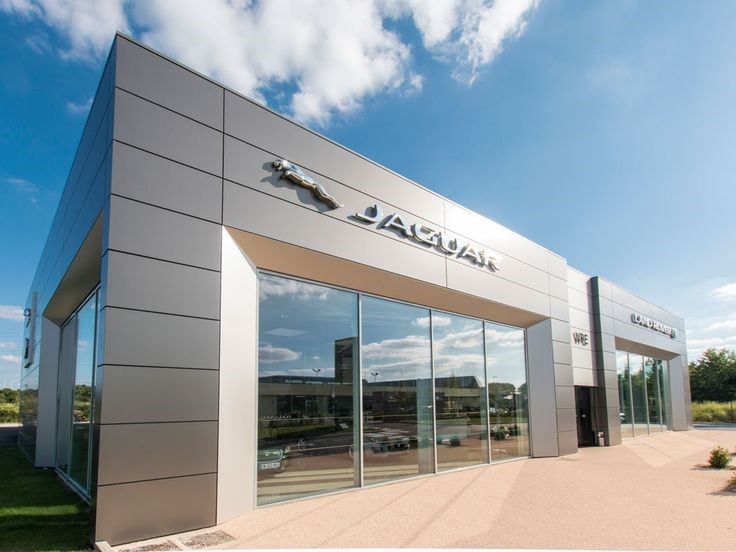
For architects and façade engineers, selecting the right cladding material is a decision that balances aesthetics, safety, and long-term performance. Aluminium composite panels have become a popular choice for modern buildings because they offer a lightweight, versatile, and visually striking solution. However, when these panels are installed in harsh environments—such as coastal cities, industrial zones, or regions with intense sunlight—their durability is put to the test. The long-term success of the façade depends on how well the panel resists the combined forces of UV radiation, corrosion, and pollution. This is not a simple matter of choosing a pretty color; it requires a deep understanding of the coating system, the core material, and the mechanical properties of the panel. By evaluating these factors, specifiers can ensure that the building envelope will remain beautiful and protective for decades.
The Critical Role of the PVDF Coating System
The first line of defense for an aluminium composite panel is its coating. In harsh environments, the coating is what protects the metal skin from the damaging effects of the sun. The industry standard for high-performance exterior applications is a PVDF coating, which is based on a fluoropolymer resin. The strong carbon-fluorine bonds in this resin provide exceptional resistance to UV radiation. When exposed to intense sunlight, ordinary polyester coatings will begin to degrade, leading to chalking, fading, and a loss of gloss. PVDF coatings, however, are engineered to resist this photo-degradation. Accelerated weathering tests, conducted according to industry standards, consistently demonstrate that PVDF-coated panels retain their color and gloss long after other coatings have failed. This outstanding UV stability is the primary reason PVDF is specified for iconic buildings in tropical and high-altitude regions.
How the Panel Construction Defeats Corrosion
In coastal and industrial environments, the threat of corrosion is constant. Salt spray and acidic gases can attack the exposed surfaces of a building. The PVDF coating provides a robust barrier against these aggressive elements. Its low permeability to water and oxygen prevents moisture from reaching the metal skin, and its hydrophobic surface resists the adhesion of contaminants. However, the resistance to corrosion is not just a function of the coating. The design of the panel itself is critical. A traditional metal panel might be susceptible to galvanic corrosion when different metals come into contact. Aluminium composite panels eliminate this risk by using a non-metallic core. This core acts as an insulator, breaking the electrical path that would otherwise drive the corrosion process. Independent testing in salt spray chambers, simulating years of coastal exposure, confirms that well-constructed panels show no blistering and minimal corrosion creep.
Resisting the Effects of Urban Pollution and Acid Rain
Modern cities present a unique set of challenges for building materials. Soot, hydrocarbon deposits, and acid rain can stain and degrade the façade over time. The low surface energy of the PVDF coating plays a crucial role in resisting these pollutants. A low surface energy creates a hydrophobic surface, which means that water tends to bead up and roll off the panel rather than wetting it. This self-cleaning effect is highly beneficial. When rain falls, it washes away the loose dirt and acidic residues, reducing the need for expensive chemical cleaning. In simulated acid rain tests, PVDF-coated panels show no visible etching or color change, while inferior coatings may exhibit pitting and gloss loss. For buildings in densely populated or industrial areas, this resistance to pollution is a key factor in maintaining the façade’s appearance.
Choosing the Right Core for Fire Safety and Stability
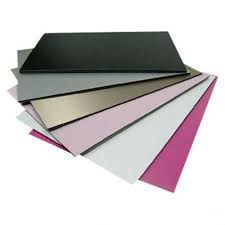
The core of the aluminium composite panel is as important as the outer skin. It provides the panel's rigidity and plays a decisive role in its fire performance. There are two main types of cores used in modern panels. The first is an A2 mineral core, which contains a high percentage of inorganic fillers. This core is non-combustible and produces very little smoke in a fire. It is the preferred choice for high-rise buildings and other projects where fire safety regulations are most stringent. The second type is an FR core, which combines mineral fillers with a polymer binder. This core offers a balance of fire performance and cost-effectiveness, making it a popular choice for mid-rise projects. Both cores are engineered to withstand thermal cycling. In a building, the panels are constantly expanding and contracting with the daily and seasonal temperature changes. A well-formulated core has a low coefficient of thermal expansion, which prevents warping and maintains the flatness of the façade.
Comparing the Longevity of PVDF with Other Coating Technologies
Specifiers are often faced with a choice between different coating technologies. While polyester coatings are more economical, their lifespan is limited. They are suitable for interior applications or temporary structures, but they will degrade quickly in an outdoor environment. FEVE coatings offer an improvement over polyester, but they do not match the performance of PVDF. For a permanent exterior installation, PVDF is the gold standard. The durability of PVDF is not just a claim; it is backed by rigorous testing. The real-world service life of a PVDF-coated panel can extend for decades, while a polyester coating may need to be repainted after just a few years. When the cost of maintenance and the potential for premature replacement are factored in, PVDF often proves to be the most cost-effective choice over the life of the building.
Strength, Weight, and Impact Resistance
The exceptional strength-to-weight ratio of aluminium composite panels is one of their most compelling advantages. The thin aluminium skins provide strength, while the lightweight core adds rigidity without adding unnecessary dead load to the building structure. This allows architects to design large, seamless façades without over-engineering the supporting steelwork. The panels are also remarkably resistant to impact. The EN 438-2 drop hammer test is used to simulate the impact of windborne debris or accidental collisions. Premium panels resist cracking and delamination, preserving the integrity of the building envelope. This combination of lightweight construction and high impact resistance makes aluminium composite panels a durable and practical choice for public buildings, commercial centers, and high-rise structures.
How Quality Manufacturing Ensures Long-Term Performance
The long-term performance of an aluminium composite panel depends on the quality of its manufacturing. The consistency of the PVDF coating, the density of the mineral core, and the precision of the laminating process all contribute to the final product's durability. Manufacturers who adhere to recognized quality standards, such as ISO 9001, subject their panels to rigorous testing at every stage of production. For an architect or developer who is investing in a building that must stand for decades, partnering with a disciplined, quality-focused manufacturer provides the ultimate confidence that the cladding will perform as expected.