EN
EN

How Long Do PVC Foam Boards Last in Different Weather Conditions?
Last year, a project coordinator from a signage company in San Diego called me with a concern. His team had installed several outdoor PVC foam board displays across a waterfront shopping district. After just seven months, a few panels near the boardwalk started showing slight warping, while others installed only a mile away still looked perfect. His question was simple: “Why are we seeing two totally different outcomes with the same material?”
Questions like this are common in my thirty years working with plastic sheet materials. The truth is, PVC foam board durability depends not only on material quality, but also on weather exposure, installation practices, and long-term maintenance.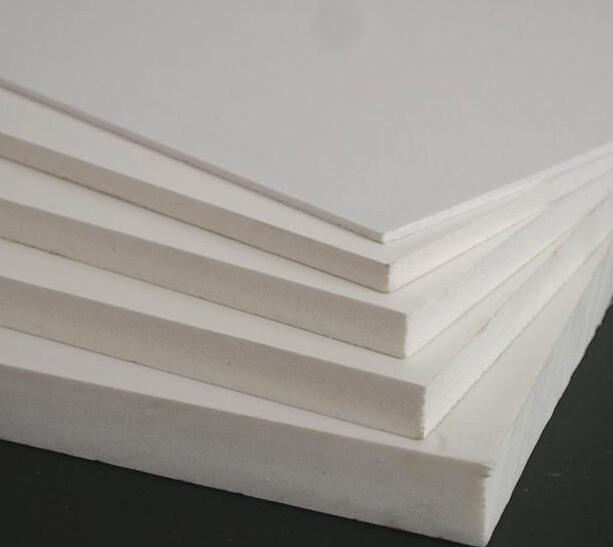
Understanding Weather Resistance
PVC foam boards don’t rot, rust, or absorb significant moisture. But sunlight, temperature changes, and environmental contaminants can affect how long they last.
UV radiation is the biggest threat. If the board lacks proper UV stabilizers, the surface can degrade within months—especially in sunny climates. High-quality PVC boards include additives that protect the material and extend life significantly.
Temperature swings also matter. PVC expands in heat and contracts in cold. When boards are installed too tightly—with no room for movement—they may warp or crack over time.
Moisture exposure is usually not a problem since PVC absorbs very little water. However, freeze–thaw cycles and standing water around installation points can still introduce stress.
Chemical exposure, such as salt spray or industrial pollutants, rarely harms PVC foam boards. This is one reason the material performs well in coastal regions and manufacturing facilities.
What Determines Lifespan?
Not all PVC foam boards are manufactured the same way. The following factors make the biggest difference:
- Density consistency: Uniform density prevents weak spots and warping.
- UV stabilizer quality: Determines whether boards last 2 years or 20 outdoors.
- Cell structure: Even, closed-cell foam increases strength and moisture resistance.
- Surface finish: Smooth surfaces resist dirt buildup and maintain appearance longer.
Premium boards with proper UV additives and stable density can survive far longer than economy-grade products.
How PVC Performs in Different Climates
1. Hot and Sunny Regions
In places like Southern California, Texas, or Nevada, high UV exposure and heat are the biggest challenges.
Quality PVC foam boards typically last 12–20 years, though color fading or surface chalking may appear earlier. Light-colored boards reflect heat better and generally last longer than dark-colored ones.
Installations must account for thermal expansion. Boards installed without space to move are far more likely to warp.
2. Cold and Wet Climates
Northern states such as Michigan or Washington see less UV exposure and more moisture.
PVC foam boards perform exceptionally well here—often 20–25 years or more. Their closed-cell structure resists moisture absorption, and they hold up well to freeze–thaw cycles.
Snow load and ice should be considered in the installation design, but the material itself remains stable.
3. Coastal and High-Humidity Areas
PVC foam boards shine in coastal environments.
Salt spray, humidity, and rain have little effect on PVC. Boards installed in places like South Carolina or coastal New Jersey typically last 15–22 years, provided they have proper UV stabilization.
The main concern is wind pressure. Strong storms require solid mounting methods and reinforced support structures.
How to Extend PVC Foam Board Lifespan
Proper Installation
This is where many failures begin.
- Allow space for thermal expansion
- Use corrosion-resistant fasteners
- Support boards adequately to avoid sagging
- Protect exposed edges when necessary
A well-installed board can last twice as long as a poorly installed one.
Maintenance Matters
PVC foam boards require little maintenance, but periodic care helps:
- Clean with mild soap to reduce contaminant buildup
- Inspect annually for loose fasteners
- Repair small issues early to avoid costly replacements
These simple steps prevent minor wear from becoming major failures.
How PVC Compares to Other Materials
Compared to wood products like plywood, PVC foam boards absorb far less moisture, resist biological growth, and maintain stability for many more years. Wood requires constant repainting and sealing—PVC does not.
Metal sheets, while durable, may corrode in coastal environments and expand significantly with temperature changes. PVC foam boards offer lighter weight and lower maintenance.
Real-World Results
Installations in different climates confirm what decades of testing show.
A shopping plaza in Denver installed PVC foam board signage back in 2006. Nearly 18 years later, the material remains structurally sound with only modest color fading.
A coastal restaurant in Wilmington, North Carolina replaced its wooden exterior signs with PVC foam board in 2010. Even after exposure to hurricanes, salt spray, and constant humidity, the PVC boards are still in service today.
These examples reflect a simple truth: quality PVC foam boards last a very long time when installed correctly.
The Bottom Line
PVC foam board durability isn’t random—it’s predictable. When you choose boards with proper UV stabilizers, allow for expansion during installation, and follow basic maintenance practices, the material can easily last 15–25 years in real-world environments.
Companies that understand these factors enjoy long-lasting results and lower replacement costs. Those that cut corners often find themselves dealing with early failures.
Quality matters. Installation matters. Climate matters.
And when all three are aligned, PVC foam boards remain one of the most reliable, cost-effective materials for outdoor signage and construction applications.