 EN
EN

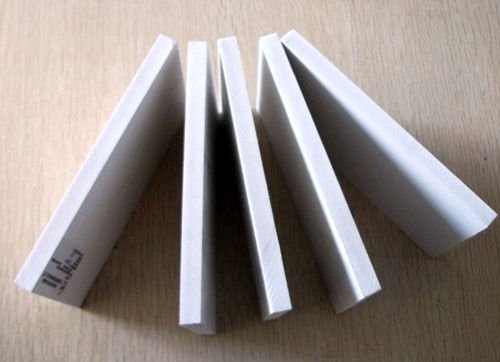
Low Material Cost Without Sacrificing Structural Integrity
Long-lasting value and customer satisfaction is achieved through the use of PVC foam board as a result of its closed-cell construction. It withstands impacts and wicks moisture, while also resisting warping and voiding the need for expensive wood composites. Customers enjoy a reduction in material costs of 25% to 40% during home renovation projects, and the foam board’s density of 0.55 to 0.7 grams per cubic centimeter is sufficient for supporting shelving displays and store fixtures, unlike particleboard.
Minimizing Waste and Maximizing Return Keeps Your Cost-Per-Square Foot Low
Precision manufacturing has benefits in material use. On average, DIY users find working with these materials (as opposed to wood and metal) gives them 30% more usable space per sheet. Standard PVC Foams are easier to use than you think. Most DIY projects require the average bilders tool set. You will want to use a utility knife for clean, straight cuts, while a jigsaw will suit you for curves, and routers will help round those corners. Less mess, less waste. Less waste means less cost, with materials you will have to replace less overall. For those more complex projects, the clean cuts from the routers means you will need to do less sanding and touch-ups, and that will save you time and materials.
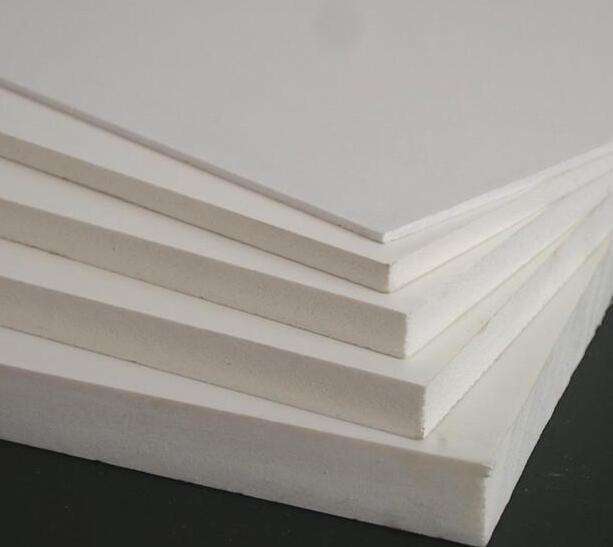
Cost Savings of PVC Foam Board
Use of Low Cost Processing Equipment
You will notice the cost savings with PVC foam board because you don't need expensive industrial equipment to process the board. It is light enough to be sized with simple hand saws or circular saws. You only need home hobby equipment to drill holes or surface route the board. PVC Foam Board is unique because the internal structure is foam, which means you won't get splinters, no matter how bad the cuts are. It is easy to create curved edges because the foam board bends easily with heat. In comparison to other materials which are more expensive to process, PVC foam board will allow you to use simple household equipment. This is especially true for budget sensitive small scale projects.
Fast Installation and Low Skill Threshold Cut Project Time by 30-50%
Due to weighing 60% less than traditional wood products, this material will not wear you down as much when moving it around to set it in place. This material is so easy to work with that nearly anyone can drill through it without starter holes. When joining pieces, prep work is not needed. Additionally, this material retains its shape and even beginners can achieve flat connections. Several workshops tested this material and found that beginners completed their projects 30-50% faster than with traditional materials. More simple materials mean less mistakes, saving valuable time that would be spent fixing mistakes.
Hidden Costs Are Demolished Thanks To Durability And Easy Ongoing Maintenance
It’s easy to see why PVC foam board means no more use of wood and MDF products. PVC foam boards last 15 years while wood needs to be replaced every 3 to 5 years. Substances that contribute to deterioration like pests, fungus and staining are also no match for PVC foam boards. PVC foam is easy to clean. Combine that with no need for refinishing, sealing, or painting the boards, and the boards will look brand new after just a quick clean. The ease of maintenance along with the longevity of the boards negates the maintenance responsibility that wood and MDF products would require on a regular basis, resulting in a 40%-60% savings in maintenance on a PVC board compared to traditional building materials.
Total Cost of Ownership Over 60 Months, with Respect to Labor, Materials, and Replacement
When weekend DIY projects come into play, a lot of people compare costs of PVC foam boards and wooden and aluminum boards. In most cases, PVC foam boards seem to win the cost battle. Sure, wood boards look cheaper, but there’s a stand still on contracts like wood boarding takes on average $25 a year. In addition, wood boarding is the worst option for spaces with high humidity. In such spaces, boards end up getting replaced in a few months. While aluminum is a better option, also, it doesn’t decay and is more expensive than PVC foam boards. Also, a lot of people don’t like the idea of buying cutting tools in order to work on aluminum. Also, if the aluminum boards end up getting oxidated aluminum boards end up being more expensive than plastic boards. In smaller projects, the cost of refinishing a board increases the cost of the DIY project by $80 to $120.
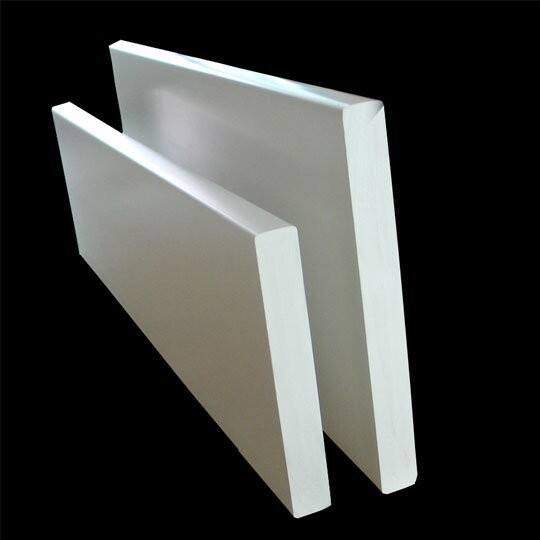
When it comes to the hidden costs, PVC foam boards have zero costs. Seal-repaints-are gone, and so is the cost of maintaining waterproof boards.
Cost-Saving DIY Applications
Modular Shelving Systems: 40 Percent Reduction in Overall Build Cost Compared to Plywood Alternatives
When building modular shelving units, PVC foam board is the best choice for cost savings. Shipping foam board is also cheaper, estimated at about 15 to 25 percent. Most PVC boards can be shipped in standard sizes that fit together, meaning no cutting excess material. Many home builders using this material report an overall project cost savings of 40 percent. Why? With foam board, you do not have to deal with tedious and expensive edge banding and sealing. Foam board is also easy to cut, and can be used with virtually any standard woodworking tool. Finally, foam board is designed to be moisture resistant, meaning you do not have to pay for special moisture resistant coatings. A typical four shelf unit that is 36 inches wide and 12 inches deep requires 1 1/2 sheets of PVC foam board, while the plywood equivalent requires 2 sheets. This means savings of $35 to $50 just on materials.
Plus assembly is going to take about 30% less time because the surfaces are finished and come ready to assemble directly out of the box.
Indoor Signage and Display Boards: No Finishing Costs, No Waiting
For indoor signage, PVC foam boards have a unique advantage that many people do not take into account – and that is the time and money spent on finishing work. With PVC foam boards, the surface is ready to go, and people can apply vinyl or digital prints without any priming, sealing, sanding, etc. Many DIY projects are simplified which is a significant time saver. Not uncommon to hear that DIY’ers have saved 2-3 hours on a project, and without finishing supplies (usually $20-$40 worth of materials), their projects are more cost effective. Unlike standard MDF or plywood, which bends after multiple paint applications, these boards hold their shape and can be painted repeatedly for a predictable outcome every time. Retail test results show that the materials cut and assembled readily for operational use, so the letters adhered easily (over 28 lbs @ ASTM D903 – no special prep). One last change isn’t an issue – so less time and frustration.
What are the benefits of using PVC foam board?
Benefits that foam PVC boards are cost-effective, lightweight, waterproof, and resistant to rot, saving you money on materials and labor without the negative impact on the environment.
Is Long Outdoor Use of PVC Foam Board Possible?
Yes, under the long-term reliable circumstance of outdoors, PVC Foam boards long life down the road, and rest assure no maintenance will need to be done to seal or paint these boards.
Is it hard to work with PVC foam board?
No. There are no special tools needed to work with PVC Foam boards. You can use standard DIY tools, such as, handsaws, circular saws, and routers. You will save money for small projects.
Is it worth using PVC foam board over wood and aluminum?
In most cases yes. When compared to wood and aluminum boards most people find it the most cost-effective board over 5 years. PVC foam board eliminates the need for maintenance, needless labor costs, and also holds up to the weather as to not need replacement.
How is using PVC foam boards friendly to the environment?
When boards are made from froth PVC, the waste of the products is reduced, the chemicals for production are not needed, and sealants and paints are not needed.