 EN
EN

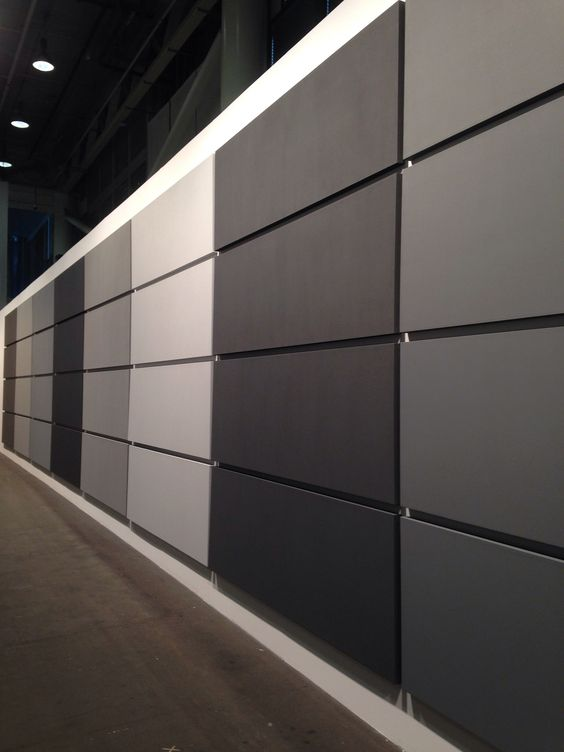
Modern architecture thrives on the balance between aesthetic boldness and structural reliability. Among the myriad of materials available to facade designers, aluminium composite material (ACM) has consistently proven itself as a versatile, high-performance solution. Whether it is for high-rise skyscrapers, commercial hubs, or industrial refurbishments, the right choice of cladding defines both the longevity and the visual impact of a structure. The industry has increasingly turned to premium ACM because it solves the age-old conflict between heavy-duty protection and flexible design.
Engineering Excellence and Durability
At its core, a reliable ACM panel is defined by its layered composition. The fusion of two durable aluminium skins with a high-grade core—be it standard polyethylene or fire-retardant mineral cores—creates a rigid, lightweight panel that defies bending or warping under wind loads. Unlike traditional materials that may suffer from thermal expansion and contraction issues, high-quality ACM exhibits exceptional structural stability. This mechanical strength is critical for modern curtain walls, where maintaining precise joint alignment is essential for both performance and visual appeal.
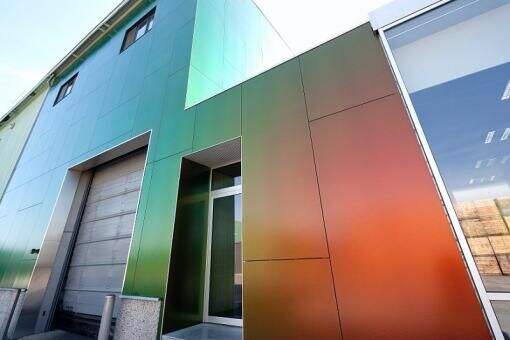
Weathering and Aesthetic Longevity
A building facade is constantly exposed to the elements, from harsh UV radiation and acid rain to extreme temperature fluctuations. To combat these, top-tier ACM panels undergo advanced surface treatments. High-performance coatings, such as PVDF (polyvinylidene fluoride), create an impervious, dirt-repellent layer that keeps colors vibrant for decades. This resistance to environmental degradation ensures that buildings maintain a "like-new" appearance long after construction, significantly reducing the maintenance burden for property managers.
| Property | Technical Benefit | Architectural Application |
| PVDF Coating | UV and chemical resistance | Exterior facade in sunny/coastal areas |
| Core Stiffness | Wind load resistance | High-rise skyscraper cladding |
| Surface Flatness | Zero distortion | Smooth, modern curtain wall design |
Efficiency in Installation and Design Flexibility
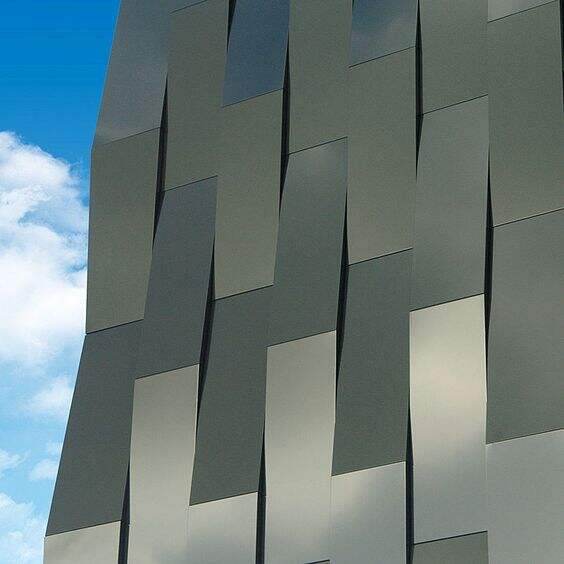
The popularity of ACM is also driven by its unique "fabrication-friendly" nature. Unlike stone or solid metal sheets, which are labor-intensive to shape, ACM can be easily routed, folded, and curved on-site. This flexibility allows architects to realize complex, fluid geometries that would otherwise be prohibitively expensive. Furthermore, the lightweight nature of these panels translates into faster installation times and reduced structural loads, which can lead to significant cost savings in the overall framing of a project.
| Feature | ACM Comparison | Stone/Solid Metal |
| Weight | Highly lightweight | Heavy/Requires heavy support |
| Fabrication | Easy to fold and curve | Complex and time-consuming |
| Installation | Fast and efficient | Slower/Labor intensive |
Quality Assurance and Supply Chain Reliability
Achieving consistent results in architectural projects requires a manufacturer that prioritizes precision. LUCKYBOND distinguishes itself through a rigorous commitment to technical R&D and advanced manufacturing standards. Every batch of panels produced undergoes stringent testing to ensure uniformity in thickness, paint adhesion, and core bond strength. With a robust supply chain and a deep understanding of international building codes, LUCKYBOND ensures that large-scale developments proceed without the delays often associated with material shortages or quality inconsistency. This operational efficiency provides architects and developers the confidence to push boundaries in their designs.
Securing the Future of Modern Facades
Selecting an architectural material is a long-term strategic decision. With its superior combination of durability, lightweight flexibility, and low maintenance, ACM stands as the definitive choice for modern building skins. By partnering with a proven manufacturer like LUCKYBOND, builders can be certain that their facade solutions are backed by manufacturing excellence and reliable engineering. Ultimately, investing in quality cladding is the most effective way to protect a building's structure while ensuring it remains a landmark of modern design for years to come.